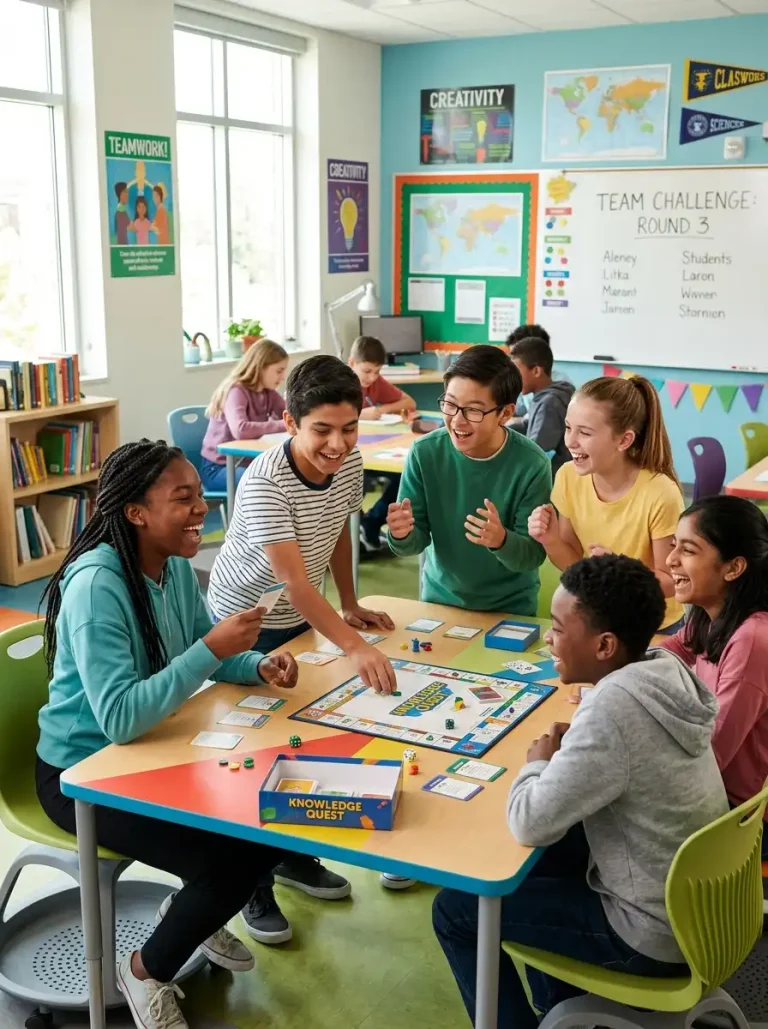
15 Fun Classroom Activities That Boost Student Engagement
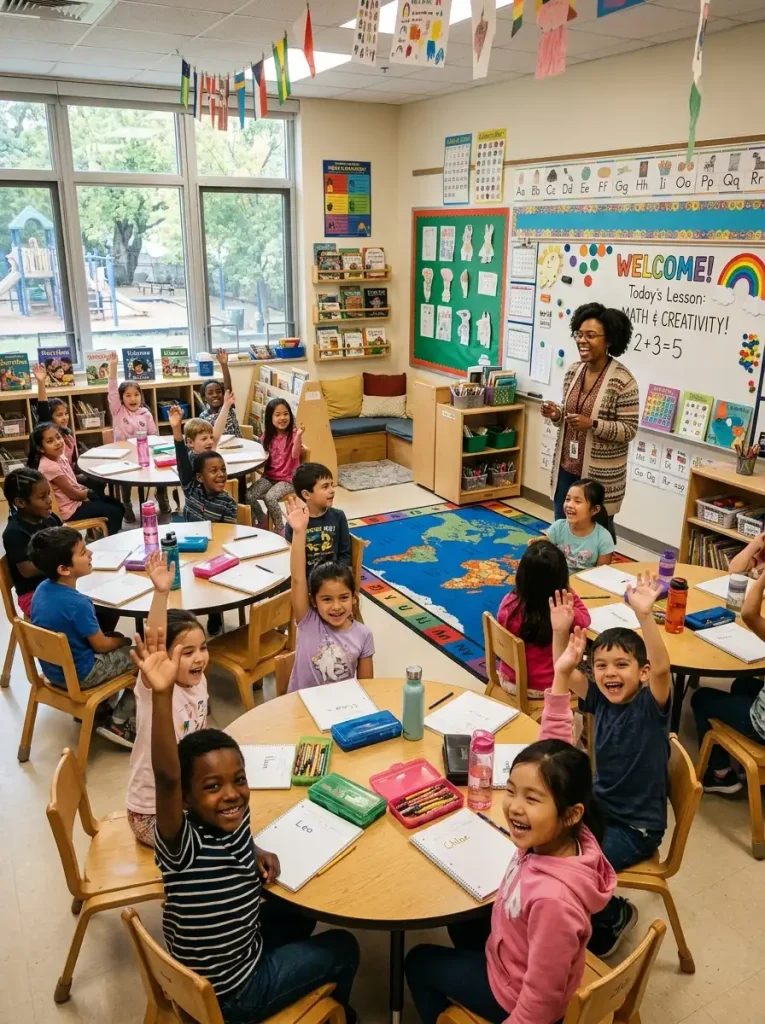
Walk into any lively classroom and you’ll notice something right away. Students are talking, moving, and actually enjoying themselves. That energy doesn’t happen by accident. It comes from teachers who plan fun classroom activities on purpose.
Learning activities don’t need to feel like a chore. In fact, the best educational games sneak in real skill-building while students think they’re just having fun. That’s the magic of active learning.
This guide walks you through fifteen tested classroom games for elementary classroom, middle school classroom, and high school classroom settings. Each one includes everything you need: age recommendations, materials, step-by-step instructions, and tips for success.
Whether you need icebreaker activities for the first week of school or brain breaks for a sluggish afternoon, you’ll find something here. Let’s dig into activities that build teamwork, communication skills, and problem-solving, all while keeping student participation high.
Activity 1: Two Truths and a Lie
Best Age Group: Middle school and high school Class Size: 15–35 students Estimated Time: 15–20 minutes Materials Needed: None, or index cards for notes Learning Objective: Build communication skills and critical thinking through inference
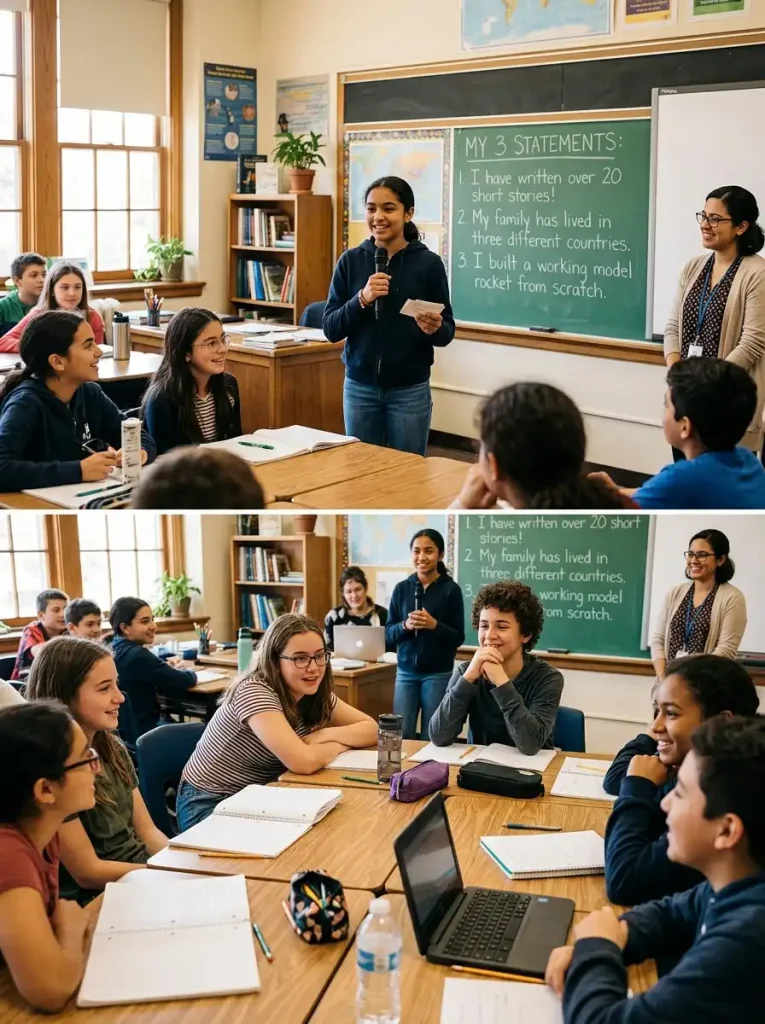
Two Truths and a Lie is a classic icebreaker activity. Each student shares three statements about themselves. Two are true, one is false. Classmates guess which one is the lie.
Step-by-Step Instructions:
- Explain the rules clearly with an example.
- Give students two minutes to write their three statements.
- Call on students one at a time to share.
- Let classmates vote before revealing the answer.
- Repeat until everyone has shared.
Variations: Try a themed version tied to your subject, such as historical facts or science trivia.
Tips for Success: Model the activity first so nervous students see exactly what’s expected.
Common Mistakes to Avoid: Rushing through shares without letting students guess reduces engagement significantly.
Skills Developed: Public speaking, critical thinking, active listening.
Why Students Love It: They get to share something personal while testing their classmates’ deduction skills.
See also: Active Recall Techniques: The Complete Guide to Studying Smarter
Activity 2: Classroom Scavenger Hunt
Best Age Group: Elementary and middle school Class Size: 10–30 students Estimated Time: 30–40 minutes Materials Needed: Clue cards, small prizes optional Learning Objective: Reinforce problem-solving and teamwork through exploration
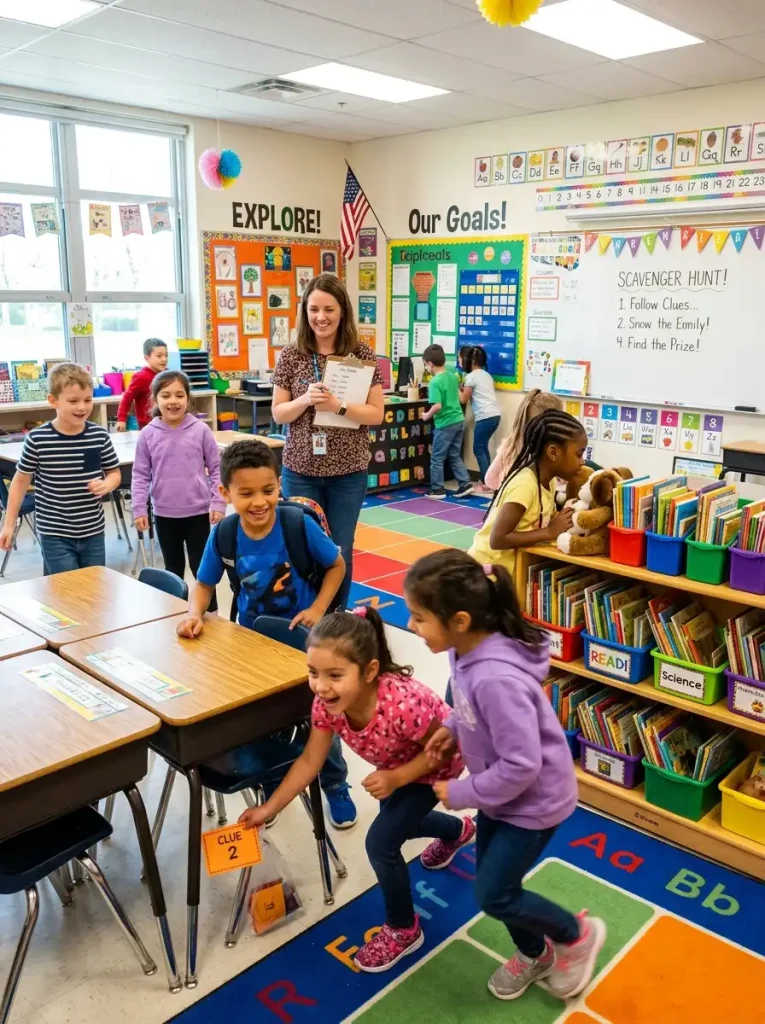
A scavenger hunt turns any subject into an adventure. Students follow clues around the classroom or school to find hidden items or answers.
Step-by-Step Instructions:
- Hide clue cards around the room in advance.
- Split students into small groups.
- Give each group the first clue.
- Groups solve clues to find the next location.
- The first group to finish wins a small reward.
Variations: Create a digital version using QR codes for tech-equipped classrooms.
Tips for Success: Test the clue trail yourself first to catch any confusing steps.
Common Mistakes to Avoid: Making clues too difficult can frustrate younger students and stall momentum.
Skills Developed: Problem-solving, teamwork, reading comprehension.
Why Students Love It: The movement and mystery make learning feel like play.
Activity 3: Silent Line-Up Challenge
Best Age Group: Elementary school Class Size: 15–30 students Estimated Time: 10 minutes Materials Needed: None Learning Objective: Develop nonverbal communication and cooperative problem-solving
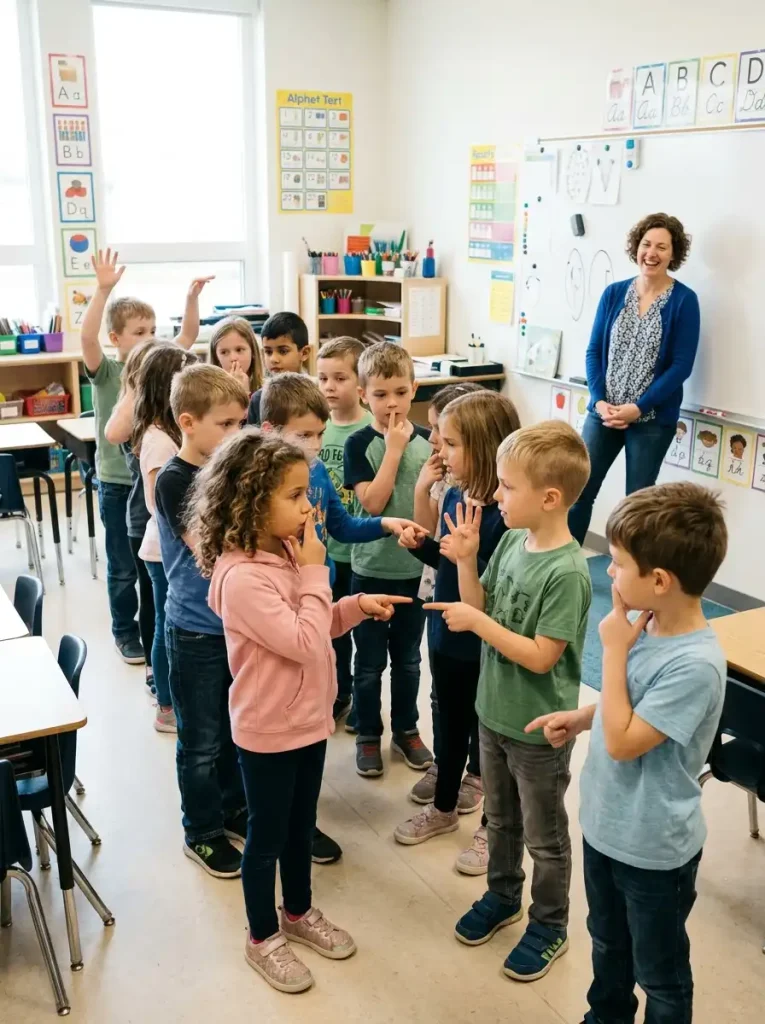
In this quick brain break, students must line up in order, such as by birthday month or height, without speaking a single word.
Step-by-Step Instructions:
- Choose an ordering category.
- Explain that no talking is allowed.
- Let students figure out the order using gestures only.
- Check the final line together as a class.
Variations: Increase difficulty by ordering by something less obvious, like shoe size.
Tips for Success: Set a time limit to keep energy high and focused.
Common Mistakes to Avoid: Allowing whispering defeats the purpose of the challenge.
Skills Developed: Nonverbal communication, patience, teamwork.
Why Students Love It: The silliness of silent gestures always gets a few laughs.
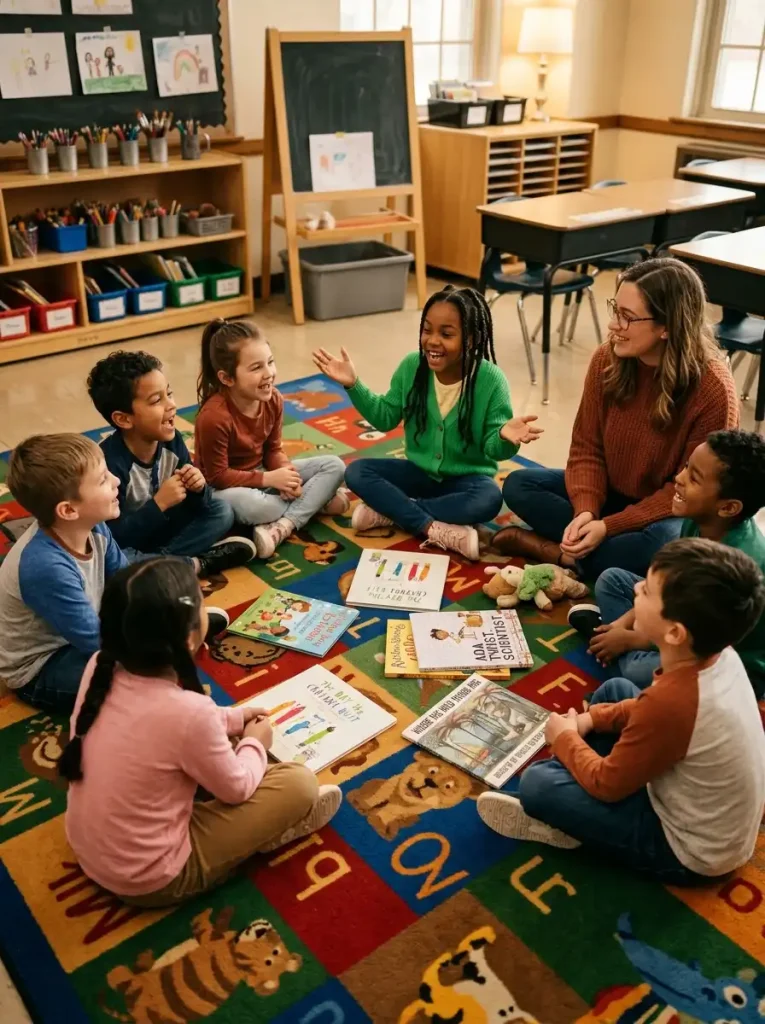
Activity 4: Group Storytelling Circle
Best Age Group: Elementary and middle school Class Size: 10–25 students Estimated Time: 15–25 minutes Materials Needed: A story-starter prompt Learning Objective: Strengthen creativity and collaborative communication skills
Students sit in a circle and build a story together, one sentence at a time. This creative classroom idea sparks imagination fast.
Step-by-Step Instructions:
- Arrange students in a circle.
- Read a story-starter sentence aloud.
- Each student adds one sentence in turn.
- Continue until the story reaches a natural ending.
Variations: Record the story and let students illustrate their favorite part afterward.
Tips for Success: Encourage students to listen closely so their addition makes sense.
Common Mistakes to Avoid: Letting one student dominate the story limits participation from others.
Skills Developed: Creativity, listening, sequencing, communication skills.
Why Students Love It: Nobody knows where the story will go next, which keeps everyone hooked.
See also: 7 Active Recall Study Methods Worksheets PDF (Free Printables)
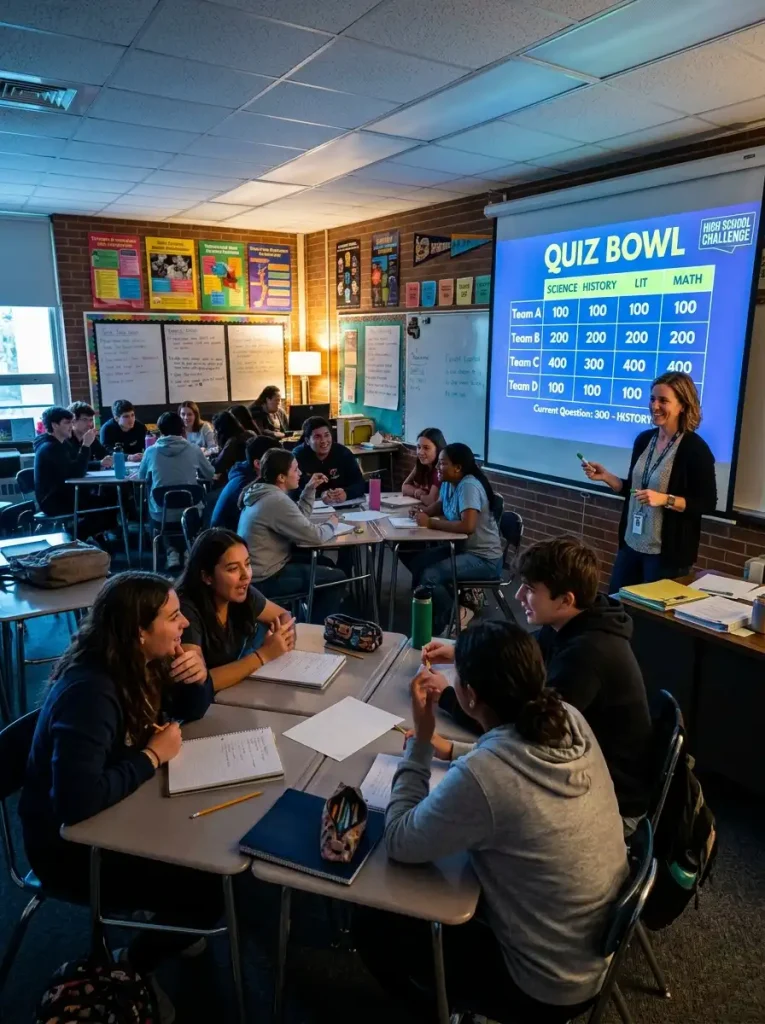
Activity 5: Classroom Jeopardy Review
Best Age Group: Middle school and high school Class Size: 15–35 students Estimated Time: 30–45 minutes Materials Needed: Projector or whiteboard grid, review questions Learning Objective: Reinforce content knowledge through competitive review
This educational game turns test review into a game show. Teams answer questions across categories worth different point values.
Step-by-Step Instructions:
- Create a grid of categories and point values.
- Split the class into teams.
- Teams choose a category and value, then answer the question.
- Correct answers earn points; incorrect answers pass to the next team.
- Tally scores at the end to crown a winner.
Variations: Add a “Daily Double” question for extra excitement.
Tips for Success: Keep questions varied in difficulty so every team has a fair shot.
Common Mistakes to Avoid: Overloading one category with all the hard questions discourages weaker teams early.
Skills Developed: Recall, teamwork, quick thinking.
Why Students Love It: The competitive format makes reviewing for a test genuinely exciting.
Activity 6: Human Bingo Icebreaker
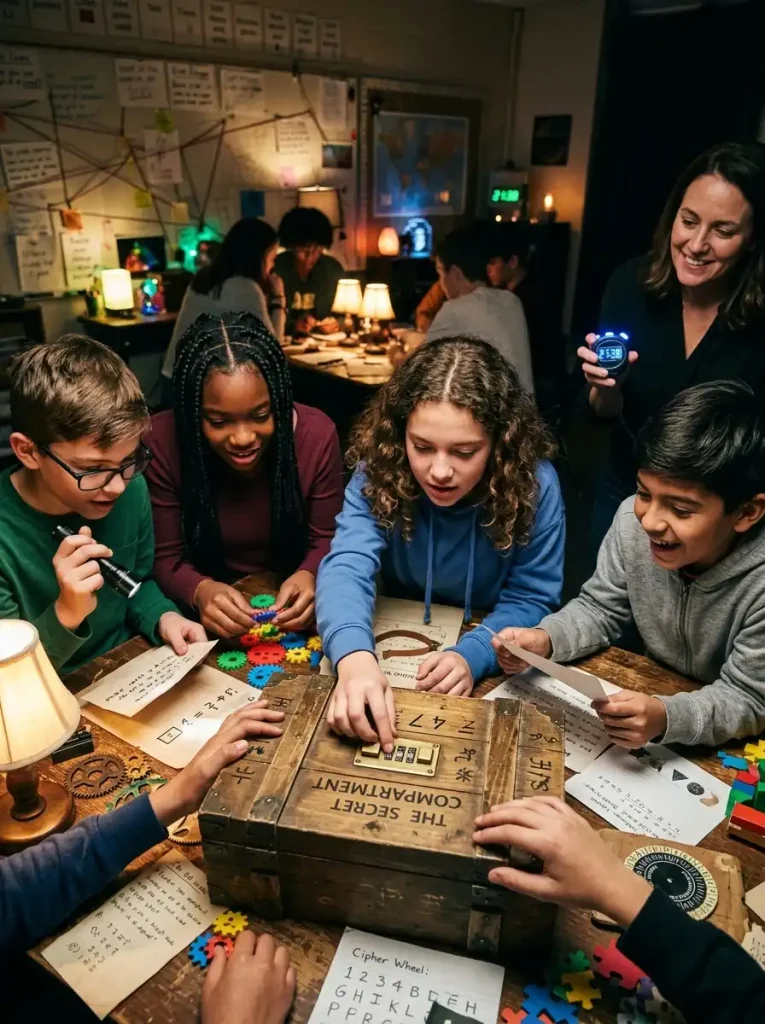
Best Age Group: Elementary through high school Class Size: 15–35 students Estimated Time: 15–20 minutes Materials Needed: Printed bingo cards with traits, pens Learning Objective: Build classroom community through social interaction
Each square on the bingo card lists a trait, like “has a pet” or “plays an instrument.” Students mingle to find classmates who match each square.
Step-by-Step Instructions:
- Hand out bingo cards with different traits in each square.
- Students walk around asking classmates questions.
- When a match is found, that student signs the square.
- First to complete a row shouts “Bingo!”
Variations: Customize traits to match your subject, such as historical figures or vocabulary words.
Tips for Success: Encourage students to talk to as many different classmates as possible.
Common Mistakes to Avoid: Letting students only ask their close friends limits the icebreaker’s social benefit.
Skills Developed: Communication skills, confidence, social awareness.
Why Students Love It: It’s a low-pressure way to meet new people and discover surprising things about classmates.
Activity 7: Classroom Escape Room Challenge
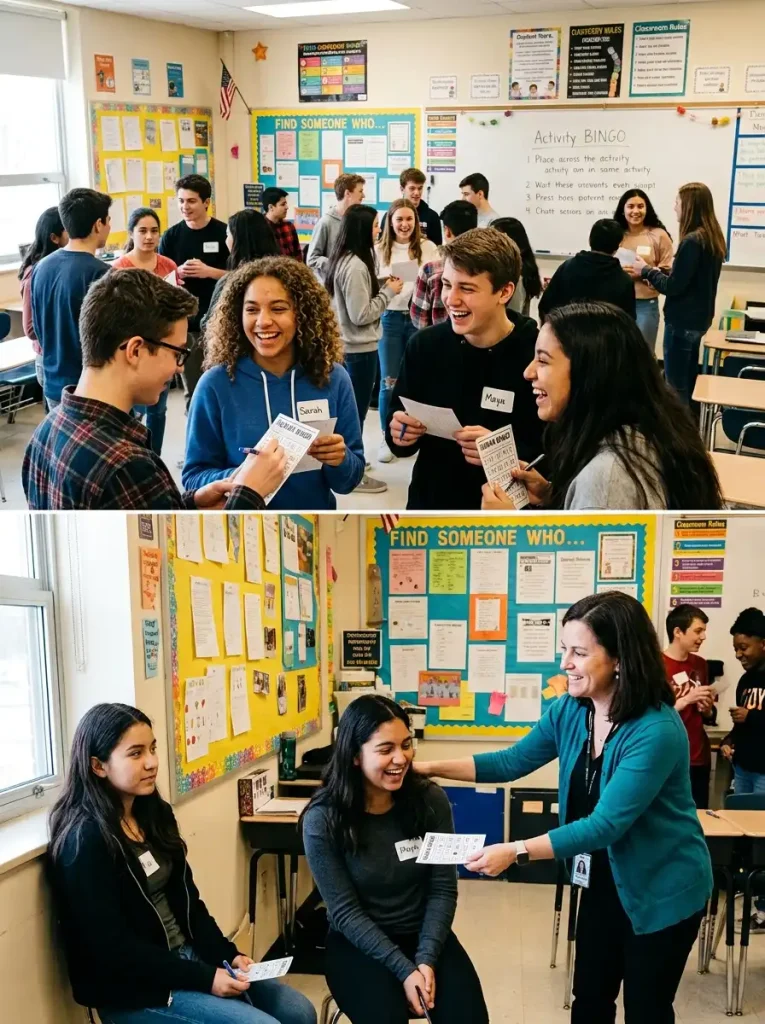
Best Age Group: Middle school and high school Class Size: 15–30 students Estimated Time: 40–60 minutes Materials Needed: Locked boxes, puzzles, clue sheets Learning Objective: Apply critical thinking and content knowledge under time pressure
Students solve a series of academic puzzles to “escape” before time runs out. This hands-on learning experience blends content review with mystery-solving.
Step-by-Step Instructions:
- Design a themed puzzle trail tied to your lesson.
- Break students into small groups.
- Give each group the first puzzle and a countdown timer.
- Groups solve puzzles in sequence to unlock the final answer.
- Celebrate groups who escape before time runs out.
Variations: Use a printable version if lockboxes aren’t available.
Tips for Success: Provide subtle hint cards for groups that get stuck.
Common Mistakes to Avoid: Making the first puzzle too hard can stall the entire activity right away.
Skills Developed: Critical thinking, teamwork, problem-solving, time management.
Why Students Love It: The ticking clock and mystery theme create genuine excitement.
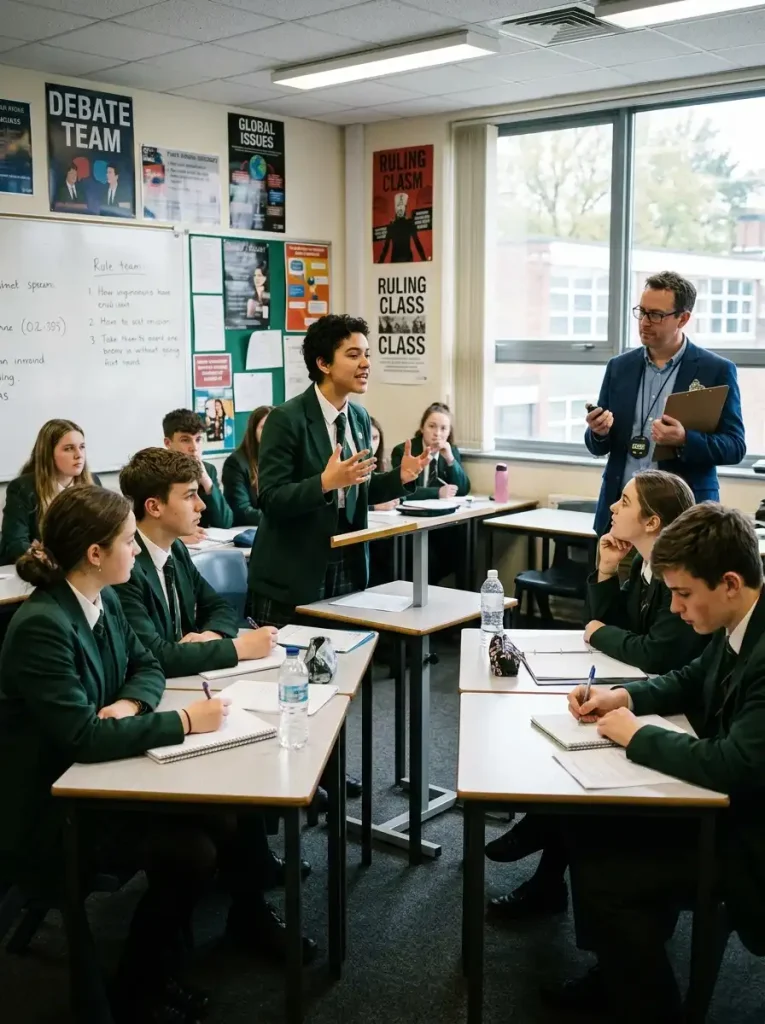
Activity 8: Debate Club Corner
Best Age Group: High school Class Size: 15–30 students Estimated Time: 30–40 minutes Materials Needed: Debate topic list, timer Learning Objective: Strengthen critical thinking and persuasive communication skills
Students argue opposing sides of a topic in a structured, respectful format. This activity is a favorite for building confident communicators.
Step-by-Step Instructions:
- Choose an age-appropriate debate topic.
- Split the class into two sides.
- Give each side preparation time to build arguments.
- Run timed opening statements, rebuttals, and closing remarks.
- Discuss as a class afterward, without declaring a “winner.”
Variations: Rotate students between sides so everyone practices arguing different viewpoints.
Tips for Success: Set clear ground rules about respectful language before starting.
Common Mistakes to Avoid: Skipping the debrief conversation misses a key chance for reflection.
Skills Developed: Persuasive speaking, critical thinking, research skills.
Why Students Love It: It gives them a real voice in classroom discussions on topics they care about.
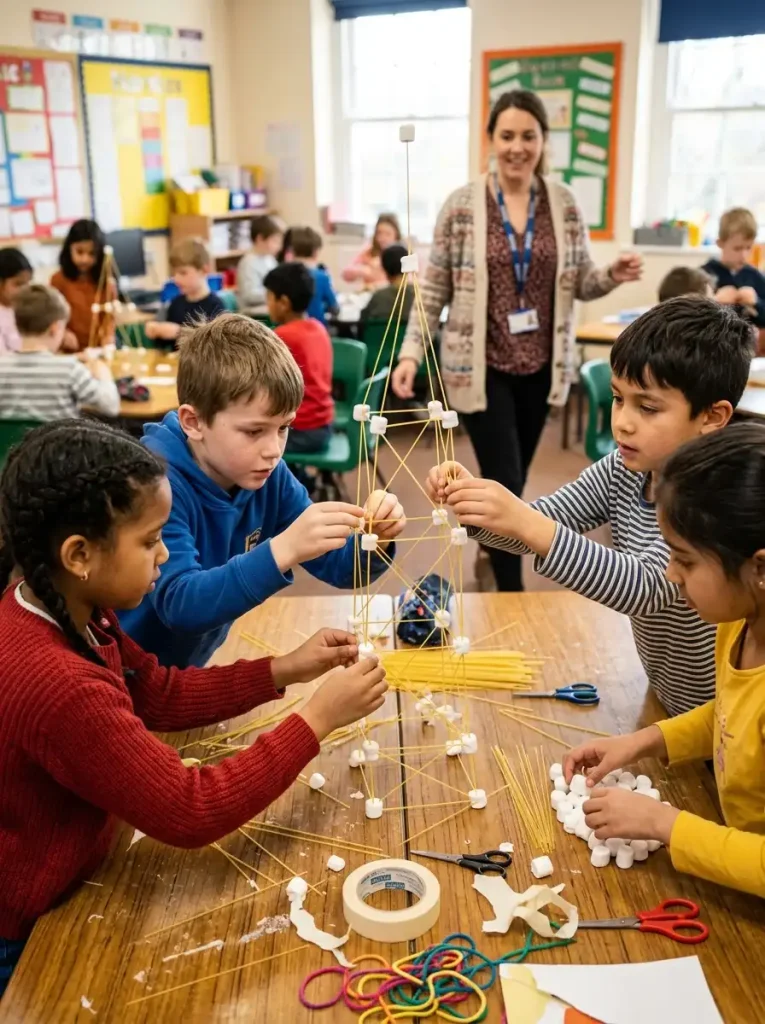
Activity 9: Marshmallow Tower Challenge
Best Age Group: Elementary through high school Class Size: 15–30 students Estimated Time: 20–30 minutes Materials Needed: Spaghetti, tape, string, one marshmallow per group Learning Objective: Apply engineering concepts and teamwork under constraints
Groups race to build the tallest freestanding tower using only spaghetti, tape, string, and a marshmallow on top.
Step-by-Step Instructions:
- Divide students into small groups.
- Give each group identical materials.
- Set an 18-minute timer.
- Groups design and build their tower.
- Measure each tower once time runs out.
Variations: Add a budget system where materials cost “points” to encourage strategic planning.
Tips for Success: Encourage groups to test small prototypes before committing to a final design.
Common Mistakes to Avoid: Letting one student control the entire build reduces teamwork benefits.
Skills Developed: Teamwork, problem-solving, engineering thinking, creativity.
Why Students Love It: The hands-on building and friendly competition make it endlessly replayable.
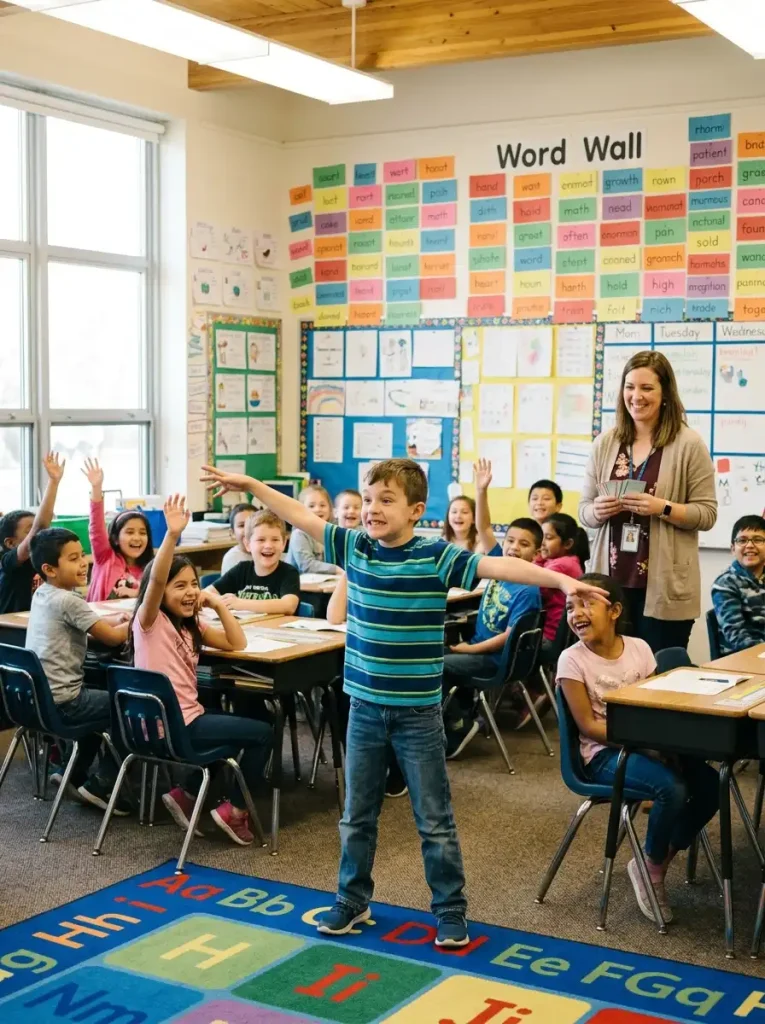
Activity 10: Vocabulary Charades
Best Age Group: Elementary and middle school Class Size: 15–30 students Estimated Time: 15–20 minutes Materials Needed: Vocabulary word cards Learning Objective: Reinforce vocabulary retention through physical expression
Students act out vocabulary words without speaking while classmates guess. This active learning twist makes word study memorable.
Step-by-Step Instructions:
- Prepare word cards from your current unit.
- Call one student up to draw a card.
- That student acts out the word silently.
- Classmates raise hands to guess.
- Rotate to a new student after each correct guess.
Variations: Turn it into team charades for a competitive twist.
Tips for Success: Choose words with clear physical or emotional actions to act out.
Common Mistakes to Avoid: Picking overly abstract words makes the game frustrating rather than fun.
Skills Developed: Vocabulary retention, creativity, nonverbal communication.
Why Students Love It: Watching classmates act out silly words always brings laughter to the room.
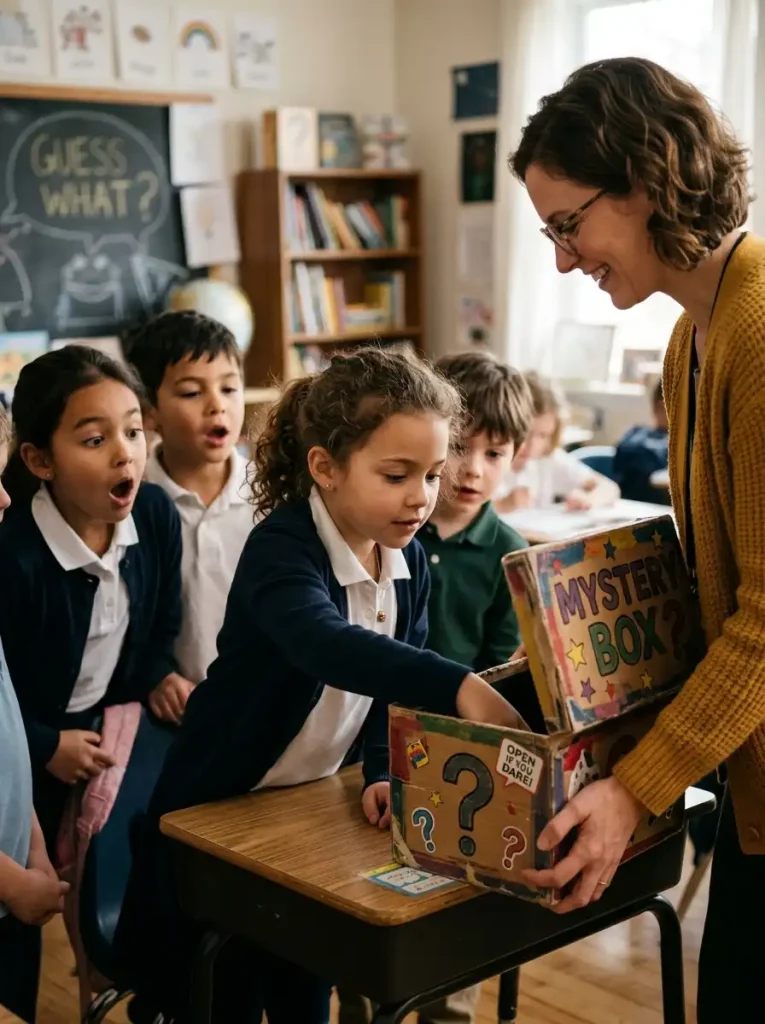
Activity 11: Mystery Box Guessing Game
Best Age Group: Elementary school Class Size: 15–30 students Estimated Time: 10–15 minutes Materials Needed: A box, small objects related to the lesson Learning Objective: Build critical thinking through sensory-based inference
Students reach into a covered box and use touch alone to guess what’s hidden inside, connecting the object to the day’s lesson.
Step-by-Step Instructions:
- Place a lesson-related object inside a covered box.
- Invite one student at a time to feel inside without looking.
- The student describes what they feel.
- Classmates guess based on the description.
- Reveal the object and connect it to the lesson.
Variations: Use scent or sound clues instead of touch for variety.
Tips for Success: Choose objects with distinct, describable textures.
Common Mistakes to Avoid: Using objects that are too obvious removes the fun of guessing.
Skills Developed: Descriptive language, critical thinking, sensory awareness.
Why Students Love It: The suspense of not knowing what’s inside keeps everyone leaning in.
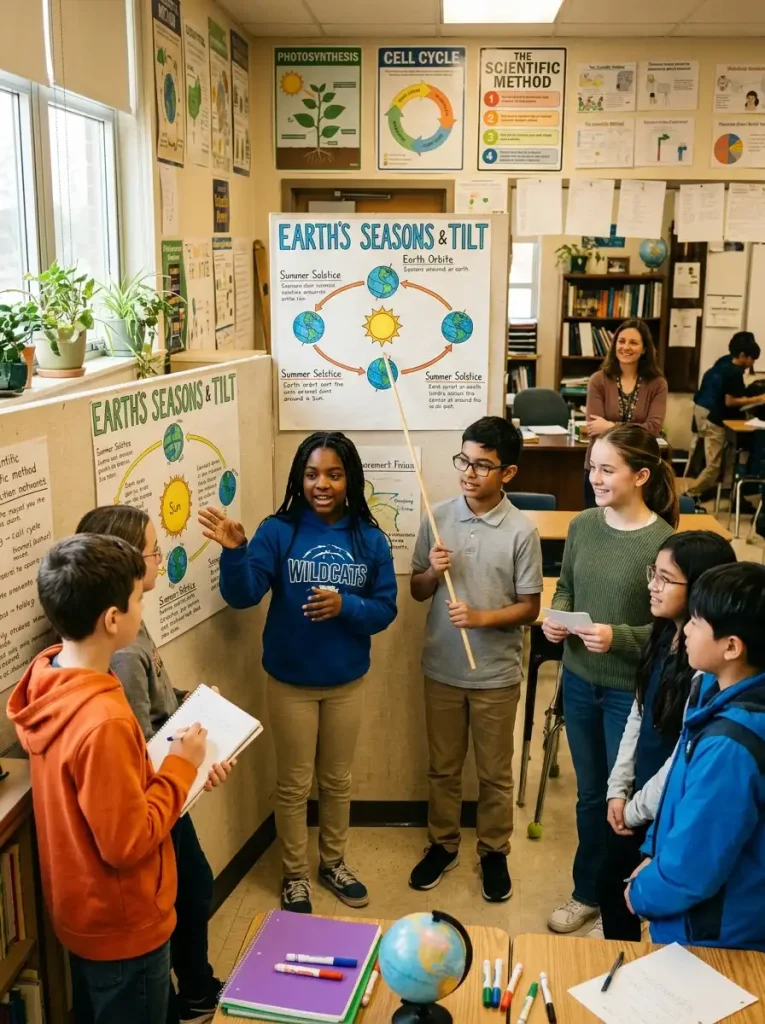
Activity 12: Peer Teaching Stations
Best Age Group: Middle school and high school Class Size: 15–35 students Estimated Time: 30–40 minutes Materials Needed: Station handouts, timer Learning Objective: Deepen understanding through explaining content to peers
Students rotate through stations where classmates teach each other different parts of a lesson. Explaining a concept out loud strengthens understanding.
Step-by-Step Instructions:
- Divide the lesson into smaller topics.
- Assign small groups to master one topic each.
- Set up stations around the room.
- Rotate groups so every student teaches and learns from peers.
- Wrap up with a quick class discussion.
Variations: Let students create simple visual aids for their station beforehand.
Tips for Success: Give groups enough prep time before they start teaching others.
Common Mistakes to Avoid: Skipping the prep step leads to shaky, unclear explanations.
Skills Developed: Communication skills, leadership, deeper content mastery.
Why Students Love It: Teaching classmates gives students a confidence boost and a break from the usual routine.
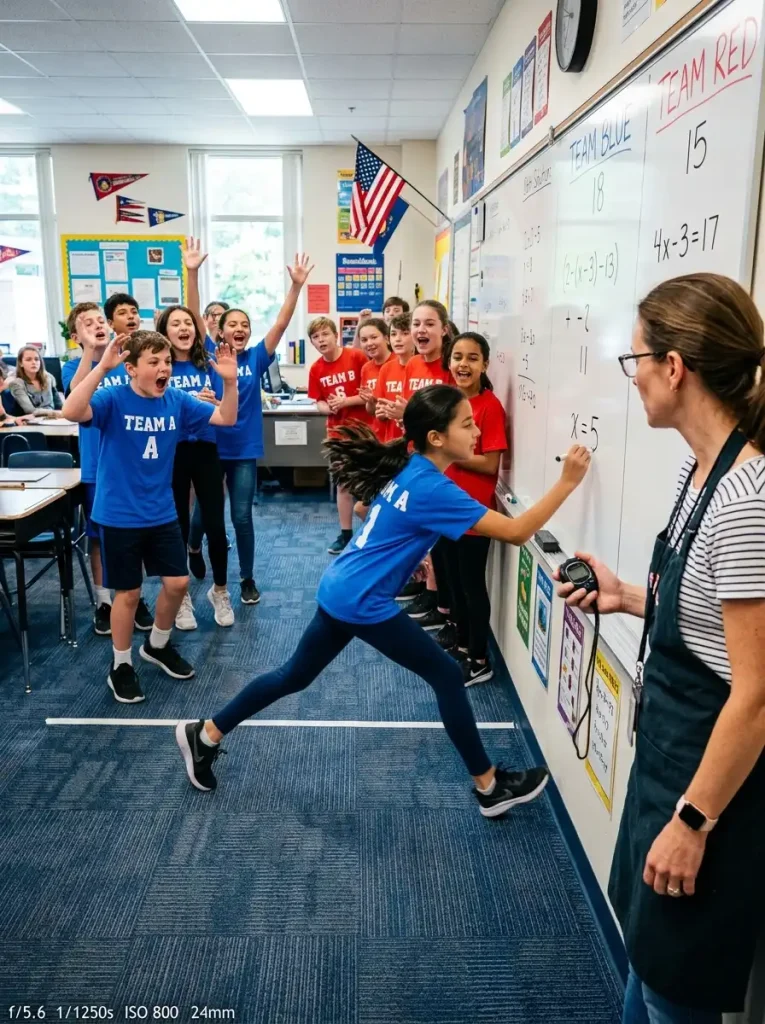
Activity 13: Board Race Relay
Best Age Group: Elementary through high school Class Size: 15–35 students Estimated Time: 15–20 minutes Materials Needed: Whiteboard, markers Learning Objective: Reinforce quick recall and teamwork under time pressure
Teams race to the board to answer questions or solve problems in relay fashion, one student at a time.
Step-by-Step Instructions:
- Split the class into two or more teams.
- Line teams up facing the whiteboard.
- Read a question aloud.
- The first student in each line races to write the answer.
- Award points for correct, fast answers, then rotate to the next student.
Variations: Use math problems, vocabulary words, or historical dates depending on the subject.
Tips for Success: Keep questions short so the pace stays quick and energetic.
Common Mistakes to Avoid: Allowing shouting out answers from the line takes away from fair play.
Skills Developed: Quick recall, teamwork, healthy competition.
Why Students Love It: The fast pace and team spirit make review sessions feel like a sporting event.
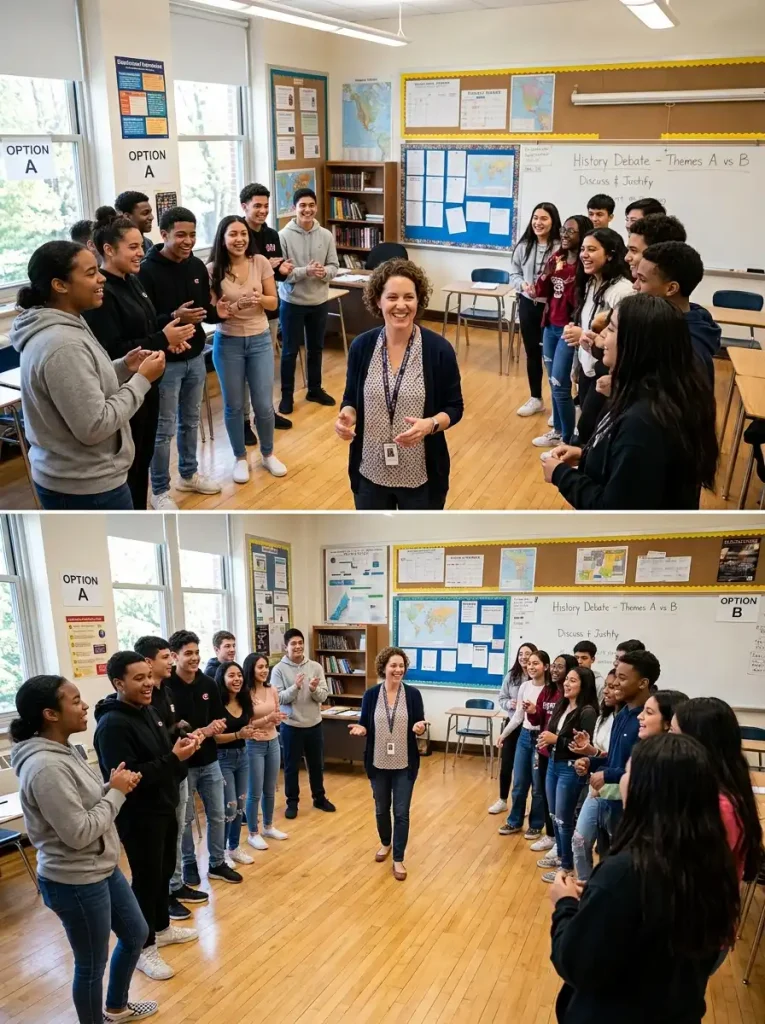
Activity 14: Would You Rather Discussion
Best Age Group: Elementary through high school Class Size: 10–35 students Estimated Time: 10–15 minutes Materials Needed: List of “Would You Rather” questions Learning Objective: Build communication skills and comfortable class discussion habits
This simple brain break sparks quick, low-stakes discussions. Students choose between two options and explain their reasoning.
Step-by-Step Instructions:
- Read a “Would You Rather” question aloud.
- Students move to one side of the room based on their choice.
- Ask a few students from each side to explain their reasoning.
- Repeat with new questions as time allows.
Variations: Tie questions to your subject, such as historical dilemmas or science scenarios.
Tips for Success: Keep questions light and fun to maximize participation.
Common Mistakes to Avoid: Choosing overly personal or sensitive questions can make some students uncomfortable.
Skills Developed: Communication skills, reasoning, confidence.
Why Students Love It: Everyone has an opinion, so participation stays high and pressure stays low.
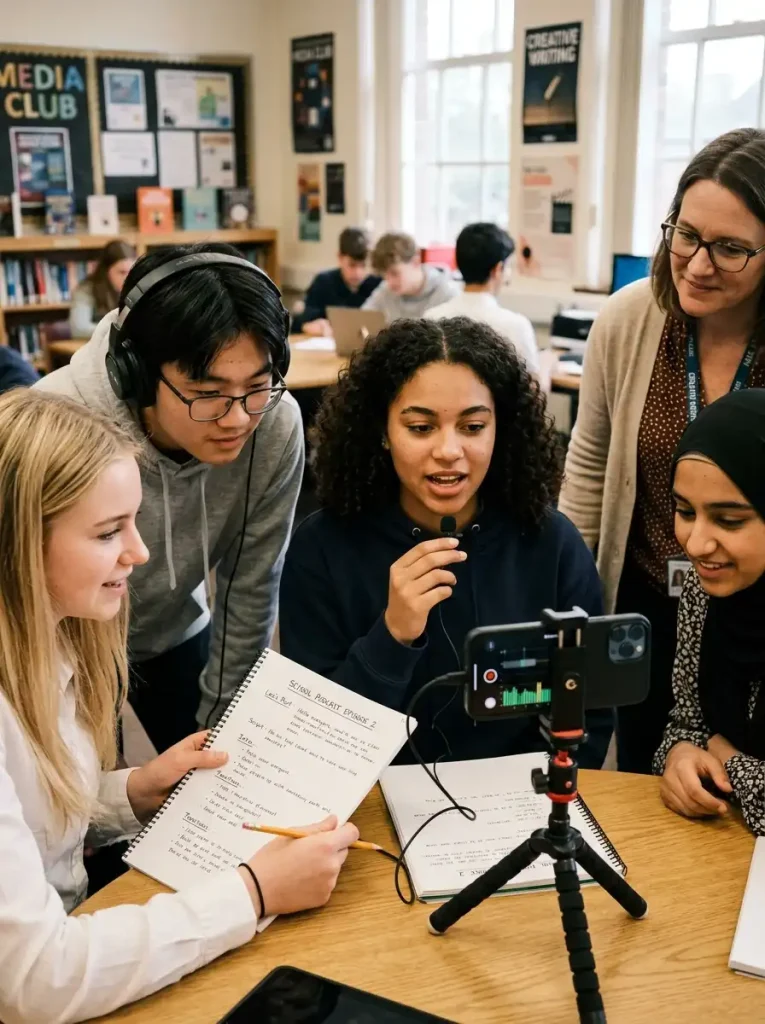
Activity 15: Class Podcast Recording
Best Age Group: Middle school and high school Class Size: 4–30 students Estimated Time: 40–60 minutes Materials Needed: Recording device or smartphone, script outline Learning Objective: Strengthen research, writing, and public speaking skills
Students research a topic, write a short script, and record a mini podcast episode in small groups.
Step-by-Step Instructions:
- Assign or let groups choose a topic.
- Have groups research and outline key points.
- Groups write a short script with an intro and conclusion.
- Record the episode using a phone or recording app.
- Play a few episodes for the class to close the activity.
Variations: Add a interview segment where one student plays a historical or fictional figure.
Tips for Success: Provide a simple script template to keep groups focused.
Common Mistakes to Avoid: Skipping the planning stage often leads to disorganized recordings.
Skills Developed: Research skills, writing, public speaking, collaboration.
Why Students Love It: Recording their own voices feels modern and gives them creative ownership over the project.
Why Fun Classroom Activities Matter
Before jumping into the list, it helps to understand why these activities work so well. Cooperative learning activities encourage students to rely on each other. That builds classroom community fast.
Hands-on learning also sticks better than passive listening. When students move, build, or act something out, their brains form stronger memories. Consequently, fun learning becomes effective learning.
Additionally, classroom management gets easier when students are engaged. Bored students act out. Engaged students stay focused. Therefore, these activities aren’t just fun extras; they’re practical classroom management tools too.
Benefits of Fun Classroom Activities
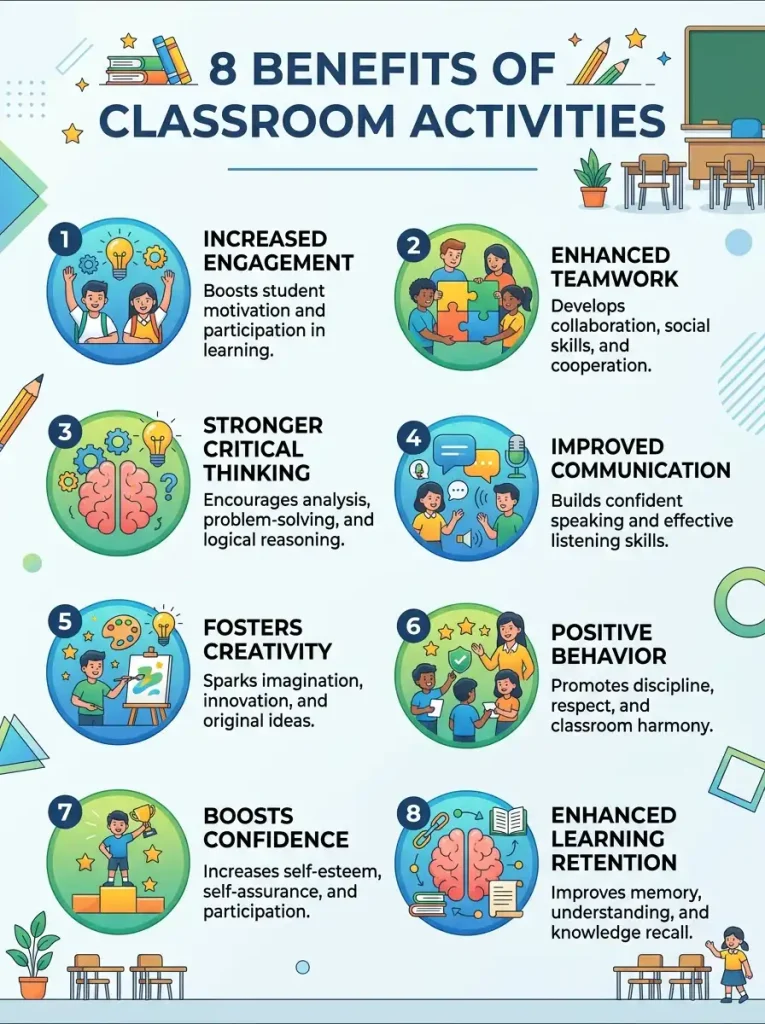
Fun classroom activities do more than fill time. They build real, lasting skills. Here’s what consistent use of these activities can do for your students.
Better Engagement: Active participation keeps students focused longer than lectures alone.
Teamwork: Group activities teach students to rely on each other and share responsibility.
Critical Thinking: Puzzles and challenges push students to reason through problems independently.
Communication: Discussions and presentations build confidence in speaking up.
Creativity: Open-ended activities let students express original ideas.
Classroom Behavior: Engaged students are far less likely to act out or disengage.
Confidence: Small wins during activities build self-esteem over time.
Memory Retention: Movement and hands-on learning help information stick.
How to Choose the Right Classroom Activity
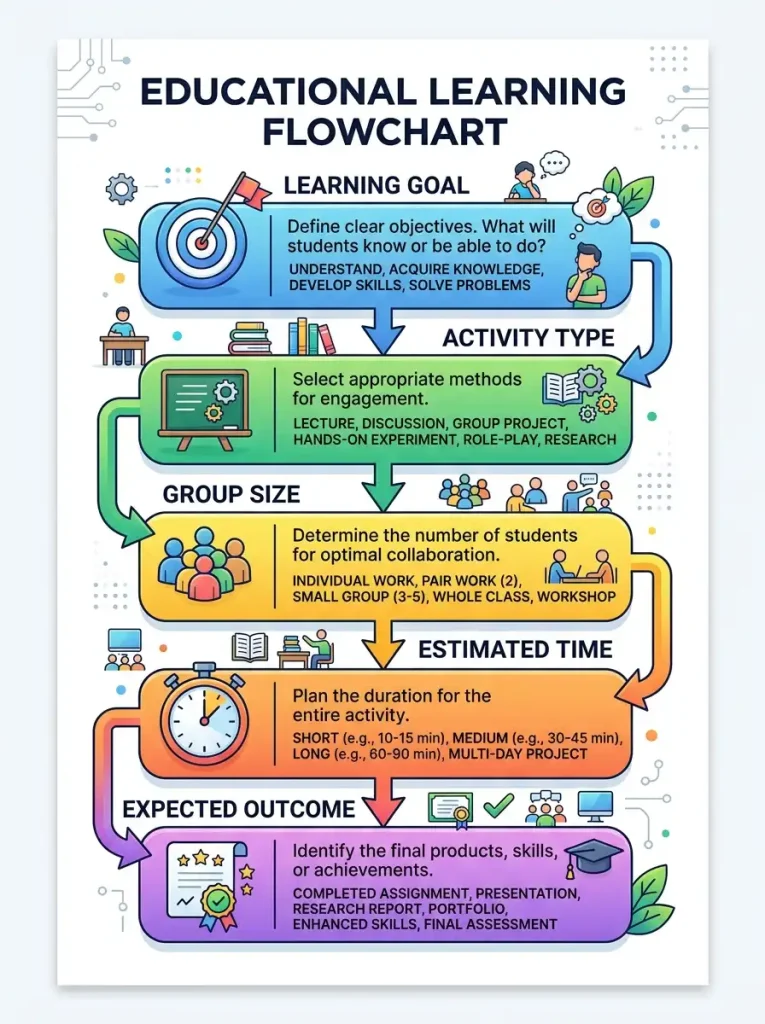
Not every activity fits every classroom. A few quick questions can help you pick the right one.
First, think about your learning objectives. What skill do you actually want students to practice today? Match the activity to that goal.
Next, consider your class size and energy level. A high-energy relay works great for a restless afternoon. A calmer storytelling circle suits a quieter morning.
Finally, factor in materials and time. Some activities need prep, like escape room puzzles. Others, like Would You Rather, need nothing but your voice.
Tips for Keeping Students Engaged
Even the best activity can fall flat without the right setup. Keep these tips in mind.
Set clear expectations before starting. Students engage more when they understand the goal and the rules upfront.
Mix up group sizes regularly. Pairing the same students every time limits new social connections and fresh perspectives.
Celebrate effort, not just winning. Recognizing creative thinking keeps motivation high, even for students who don’t come in first.
Finally, reflect briefly after each activity. A quick class discussion helps cement what students learned and why it mattered.
Common Mistakes Teachers Should Avoid
Even experienced teachers can trip up when introducing classroom games. Watch out for these common pitfalls.
Skipping clear instructions often leads to confusion and wasted time. Always model the activity before starting.
Ignoring time limits can let activities drag on too long. Set a timer and stick to it.
Forcing shy students into the spotlight too quickly can backfire. Ease them in with lower-pressure roles first.
Overcomplicating simple games removes the fun factor. Keep rules straightforward, especially for younger students.
Quick Tips for Success
- Always explain the objective before starting any activity.
- Keep group sizes balanced so no student gets left out.
- Use a visible timer to maintain pace and energy.
- Rotate activity leaders so different students get a turn.
- Debrief briefly afterward to reinforce the learning objective.
Frequently Asked Questions
1. What are the best classroom games for shy students? Low-pressure activities like Human Bingo or Would You Rather work well since they don’t require public speaking right away.
2. How often should teachers use fun classroom activities? Weaving in one or two activities per week usually keeps engagement high without disrupting core lesson time.
3. Can these activities work in a virtual classroom? Yes, many can be adapted using breakout rooms and shared digital documents for remote learning.
4. Do fun classroom activities work for all subjects? Absolutely. Most of these activities can be customized with subject-specific content, from math facts to history events.
5. How do I manage noise during group activities? Set a clear signal, like raised hands or a bell, so students know when to quiet down quickly.
6. What age group benefits most from cooperative learning? All age groups benefit, though younger students often need more structured guidance during group work.
7. How long should a classroom activity last? Most activities work best between 15 and 40 minutes, depending on complexity and class size.
8. What if students don’t want to participate? Offer alternative roles, like note-taker or timekeeper, so reluctant students can still contribute comfortably.
9. Are these activities suitable for large classes? Yes, most can scale up by adding more teams or stations to accommodate larger groups.
10. How do I measure if an activity was successful? Look for increased participation, on-task behavior, and how well students explain what they learned afterward.
11. What materials should every teacher keep on hand? A whiteboard, timer, index cards, and basic craft supplies cover most of the activities in this list.
Final Thoughts
Fun classroom activities aren’t just a break from “real” learning. They are learning, dressed up in a way that sticks. Every game on this list builds teamwork, communication skills, or critical thinking, often all three at once.
Start small. Pick one or two activities from this list and try them out this week. Notice how your students respond, then adjust from there.
Every classroom is different, so feel free to tweak these ideas to fit your students’ needs. The goal is simple: keep learning active, keep students curious, and keep the classroom a place they actually want to be.