
15 Traditional Story Ideas: Timeless Prompts for Writers
Traditional story ideas possess a timeless magic that connects modern readers to ancient roots. Every culture relies on oral heritage to pass down wisdom, preserve history, and explain the mysteries of the universe. This comprehensive guide provides writers, storytellers, and creators with rich narrative concepts that honor ancestral traditions while captivation contemporary audiences.
What Are Traditional Stories?
Traditional stories represent the foundational narrative fabric of human civilization. By definition, these accounts comprise the myths, legends, folk tales, and fables that communities passed down orally through successive generations before the advent of the written word. Every culture across the globe possesses a unique repository of lore, serving as a vital mirror to its specific worldview, environmental conditions, and societal values.
These narratives do far more than merely entertain villagers gathered around a evening fire. They act as living historical archives, encoding real geographic events, ancestral lineages, and major societal shifts within symbolic frameworks. Because they address universal human experiences—such as love, loss, fear, and triumph—these timeless tales remain deeply popular today, bridging the gap between ancient wisdom and the modern digital landscape.
Why Write Traditional Stories?
Writing narratives rooted in cultural folklore offers profound benefits for both creators and audiences. First and foremost, it aids in preserving culture, ensuring that indigenous wisdom and specific regional customs do not vanish into global homogenization. By breathing new life into older motifs, writers actively safeguard ancestral identities for future generations.
Furthermore, these tales excel at teaching morals through narrative consequence rather than rigid lecturing. They inspire profound creativity by forcing authors to work within atmospheric, historically grounded frameworks while exploring deep psychological archetypes. Ultimately, adapting traditional material connects generations, offering contemporary readers an emotional anchor to the past while providing exceptional entertainment.
15 Traditional Story Ideas
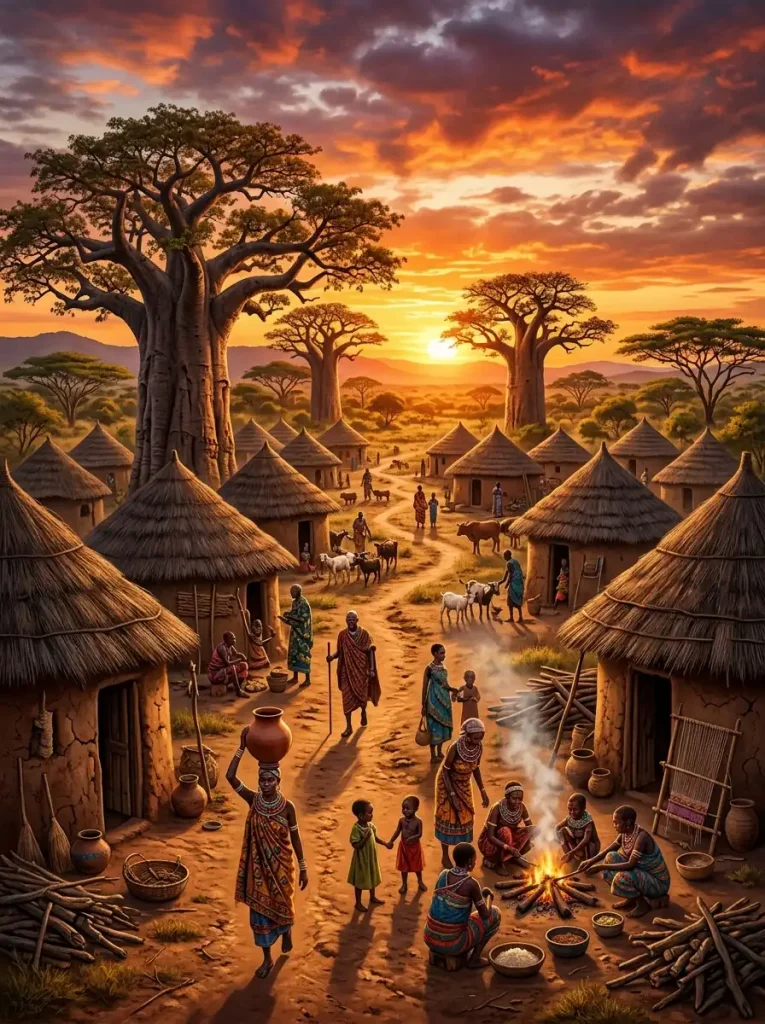
Idea #1: The Whispering Baobab
- Catchy Title: The Secret of the Living Bark
- Story Premise: Deep within a drought-stricken savannah sits the ancient village of Kufara, where a colossal, thousand-year-old baobab tree is said to house the spirits of the ancestors. When a greedy new chieftain decides to cut down the sacred tree to expand his royal palace, the natural springs instantly dry up, and a mysterious illness falls upon the livestock. A young herbalist apprentice named Shani discovers she can hear the rhythmic, low-frequency hums vibrating from the tree’s deep roots. Guided by the faint, melodic whispers of her late grandmother, Shani must journey deep into the spiritual underworld to retrieve a forgotten seed of life before the chieftain’s axes strike the final fatal blow to the tree trunk. The emotional stakes rise as her own father falls ill, forcing her to choose between safe conformity and a perilous rebellion against royal authority. In a climatic confrontation, Shani uses her knowledge of ancient botanical rituals to make the earth itself rise up, proving that the village’s survival depends entirely on ecological harmony and ancestral respect.
- Main Characters:
- Protagonist: Shani, an observant and courageous young herbalist apprentice.
- Antagonist: Chief Mandla, an arrogant, short-sighted leader consumed by vanity.
- Mentor: Gogo Amina, the spirit of Shani’s grandmother who speaks through the rustling leaves.
- Supporting Characters: Kojo, Shani’s loyal childhood friend who guards her during her spiritual trances.
- Setting: An arid, sun-baked West African savannah village centered around a massive, glowing baobab tree during a mystical historical era.
- Themes: Sacrifice, tradition, ecological balance, ancestral respect.
- Moral Lesson: Nature provides life, and destroying our roots for personal greed leads to collective ruin.
- Story Expansion Ideas: Novel adaptation focusing on the magical system of plant-whispering; an animation adaptation emphasizing vibrant spiritual visuals.
- Writing Tips: Use sensory language to describe the texture of the bark, the scent of dry earth, and the ethereal quality of the ancestral voices.
Idea #2: The Weaver’s Golden Thread
- Catchy Title: The Loom of Destiny
- Story Premise: In a misty mountain kingdom renowned for its textiles, an introverted young weaver named Lin inherited a broken, antique loom from her ancestors. Unlike ordinary silk, the thread she spins from a secret high-altitude flower gleams with a radiant, golden luminescence that seems to shift colors based on the weaver’s emotions. When the tyrannical local governor demands a tapestry made entirely of pure gold under threat of destroying her village, Lin discovers that her weaving can literally alter the fabric of local reality. Every pattern she knits manifests in the physical world; weaving a river brings rain, while weaving jagged lines causes earthquakes. As her fingers bleed from working the coarse golden fibers, Lin must outsmart the governor’s spies by embedding a hidden prophecy of liberation directly into the fabric of the imperial tribute robe itself.
- Main Characters:
- Protagonist: Lin, a quiet, meticulously talented textile artisan.
- Antagonist: Governor Zhao, a ruthless bureaucrat obsessed with material wealth.
- Mentor: Old Master Feng, a blind former imperial weaver who teaches her the symbolic language of threads.
- Supporting Characters: Mei, Lin’s younger sister who helps harvest the rare high-altitude blossoms.
- Setting: A steep, fog-shrouded ancient Asian mountain village characterized by terraced rice fields and wooden loom workshops.
- Themes: Wisdom, justice, art as resistance, family loyalty.
- Moral Lesson: True power lies not in material wealth, but in the creativity and resilience used to protect the vulnerable.
- Story Expansion Ideas: A short film adaptation focusing on long, beautiful tracking shots of the weaving process; a children’s picture book.
- Writing Tips: Focus heavily on the tactile descriptions of the threads, the rhythmic clicking of the loom, and the visual transformation of the tapestry.

Idea #3: The Shadow of the Fjord
- Catchy Title: The Ice King’s Debt
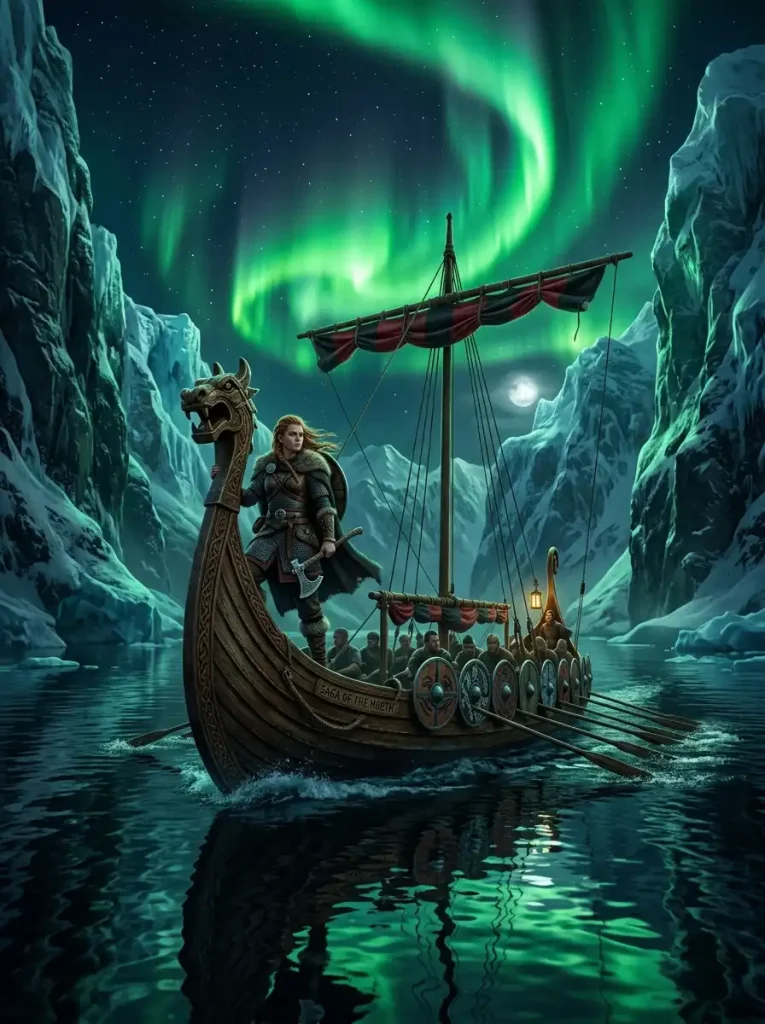
- Story Premise: Along the icy, jagged coastlines of a northern settlement, the seafaring villagers live in constant dread of the Night-Tide, a seasonal freezing fog that brings monstrous frost giants across the water. To maintain a fragile peace, the village council has sacrificed their finest catches for decades, but a bold young shield-maiden named Astrid discovers that the village elders are hiding a dark historical truth. The frost giants are actually seeking a stolen runic relic that keeps the village warm while freezing the surrounding seas into perpetual winter. Astrid steals a fishing boat and navigates the treacherous, ice-choked fjords to return the relic, facing violent storms, mythological sea serpents, and the betrayal of her own clan members who wish to keep the warmth for themselves.
- Main Characters:
- Protagonist: Astrid, a fierce, free-thinking shield-maiden driven by honor.
- Antagonist: Jarl Thorin, the deceitful village leader desperate to preserve his comfort.
- Mentor: Halvar, an old, battle-scarred sailor who knows the ancient sea routes.
- Supporting Characters: Sigrid, Astrid’s fiercely loyal shield-brother who commands the boat’s rigging.
- Setting: A cold, imposing Nordic fjord system filled with towering ice cliffs, dark churning waters, and longhouses under a brilliant aurora borealis.
- Themes: Courage, honor, truth, forgiveness.
- Moral Lesson: A society built upon a foundation of theft and deception will eventually be consumed by its own coldness.
- Story Expansion Ideas: A historical fiction novel series; a gritty live-action short film adaptation showcasing practical stunt choreography.
- Writing Tips: Emphasize the bitter, biting cold, the spray of saltwater on freezing skin, and the ominous echoing cracks of shifting glaciers.
Idea #4: The Flute of the Sun Ken
- Catchy Title: The Melodies of the Red Clay
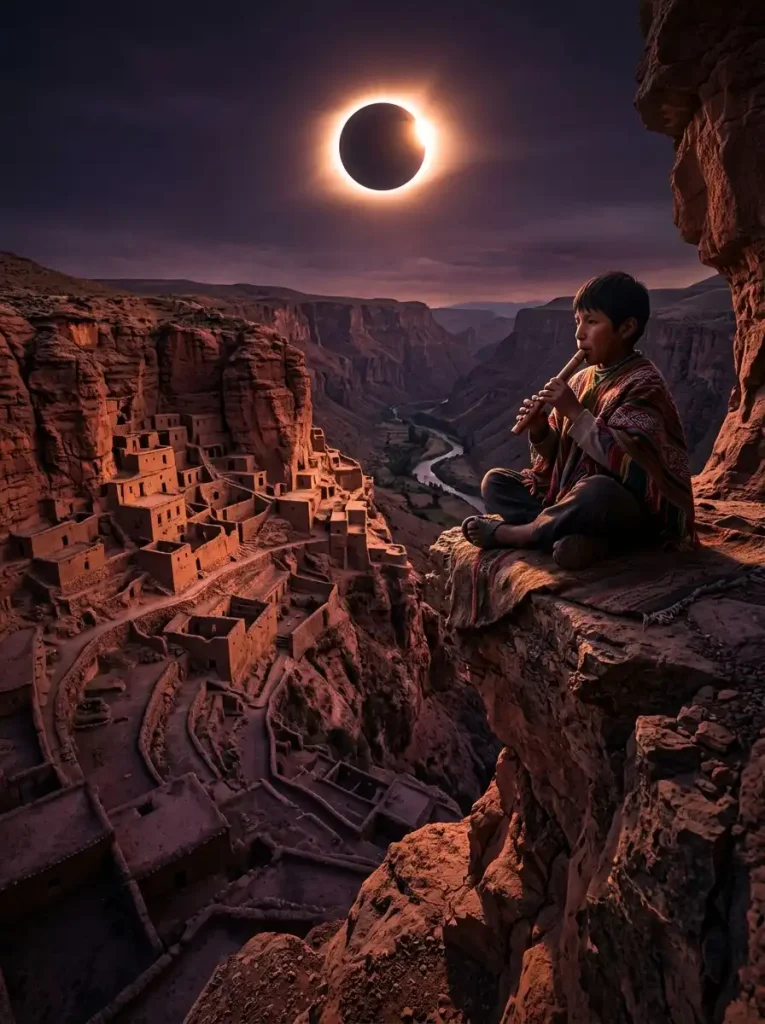
- Story Premise: In a vibrant canyon city built into the sheer faces of red sandstone cliffs, the annual solar eclipse threatens to plunge the civilization into eternal darkness unless a sacred melody is performed atop the highest peak. When the chosen high priest suddenly loses his voice to a mysterious curse, an unpretentious clay-potter’s son named Tupac discovers that his simple, hand-carved clay flute holds the exact acoustic resonance needed to break the spell. Tupac must race against the ticking solar clock, ascending dangerous cliffside paths and avoiding predatory shadow beasts unleashed by the approaching darkness. His journey forces him to conquer his profound fear of heights and validate his worth to an elite class that has always looked down on humble artisans.
- Main Characters:
- Protagonist: Tupac, a humble, acrophobic clay-potter’s son with a gift for music.
- Antagonist: Cusi, a jealous apprentice priest who unleashed the curse to seize power.
- Mentor: Mama Kayla, an elderly blind potter who understands the spiritual resonance of earth and clay.
- Supporting Characters: Suyu, a swift cliff-runner who guides Tupac through the dangerous mountain tracks.
- Setting: An intricate Pre-Columbian inspired canyon city constructed of red adobe and stone terraces, set under a darkening, surreal sky.
- Themes: Humility, courage, community, overcoming fear.
- Moral Lesson: True leadership and salvation often come from the humblest members of society, not the self-proclaimed elite.
- Story Expansion Ideas: An animation adaptation with a heavy emphasis on a powerful ethnic musical score; a children’s version.
- Writing Tips: Describe the acoustic echo of the flute against the canyon walls and use vivid color descriptions for the changing atmospheric light during the eclipse.
Idea #5: The Coyote’s False Gift
- Catchy Title: The Trickster’s Bargain
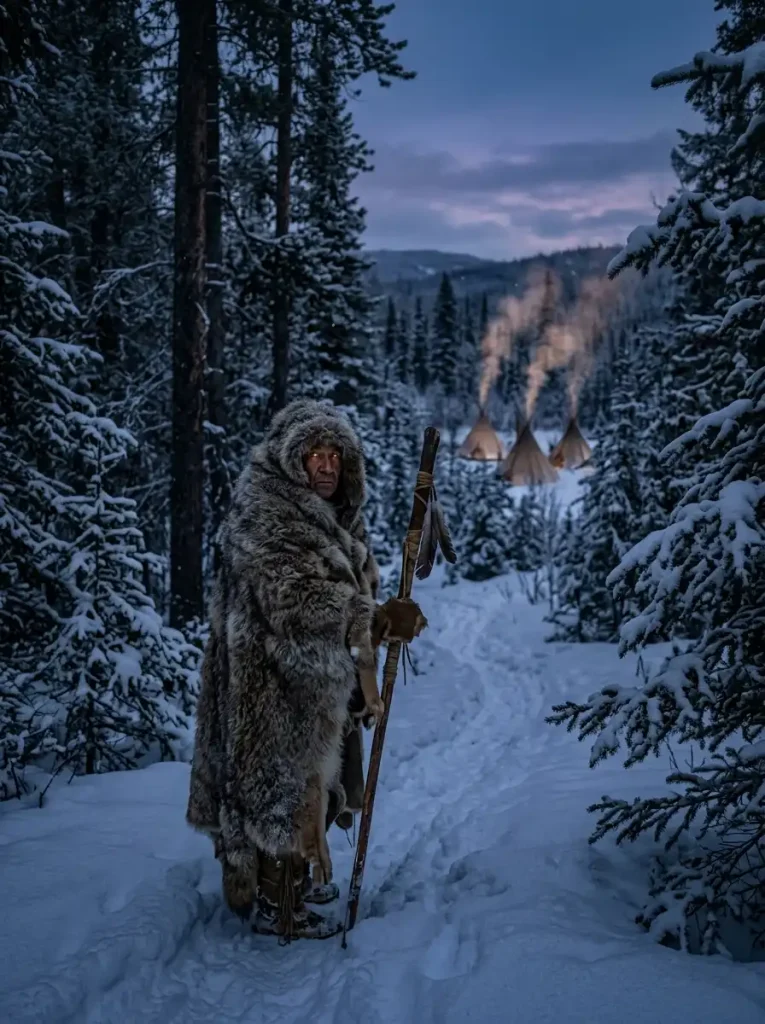
- Story Premise: During a harsh, unforgiving winter in the ancient woodlands, a desperate tribe struggles to find game to feed their children. A smooth-talking stranger wearing a coyote-fur cloak arrives at the camp, offering an enchanted hunting bow that never misses its target, but demands an unsettling price: for every animal killed, the hunter must give up a happy memory from their childhood. Desperate to save his family, a young hunter named Elan accepts the deal, rapidly transforming into the tribe’s greatest provider while slowly losing his sense of identity, laughter, and love for his family. His sister, Winona, notices his eyes turning cold and vacant, realizing she must track down the elusive trickster spirit to break the bargain before Elan forgets his own humanity entirely.
- Main Characters:
- Protagonist: Winona, an observant, deeply empathetic young woman who values family bonds.
- Antagonist: The Coyote Trickster, a manipulative, shapeshifting spirit who thrives on human folly.
- Mentor: Chaske, the tribal elder who preserves the oral warnings regarding trickster spirits.
- Supporting Characters: Elan, Winona’s brother whose soul is slowly eroding from the magic bow.
- Setting: A dense, snow-laden indigenous forest filled with towering pines, frozen rivers, and traditional bark lodges during a mythological winter era.
- Themes: Family, greed, wisdom, sacrifice.
- Moral Lesson: Shortcuts that bypass the natural struggles of life always extract a devastating cost from the human soul.
- Story Expansion Ideas: A suspenseful short story adaptation; a psychological short film focusing on the slow loss of memory and warmth.
- Writing Tips: Keep the dialogue with the trickster sharp, witty, and double-edged, while using stark imagery to contrast the cold winter with fading warm memories.
Idea #6: The Sunken Bell of Ys
- Catchy Title: The Chimes of the Deep
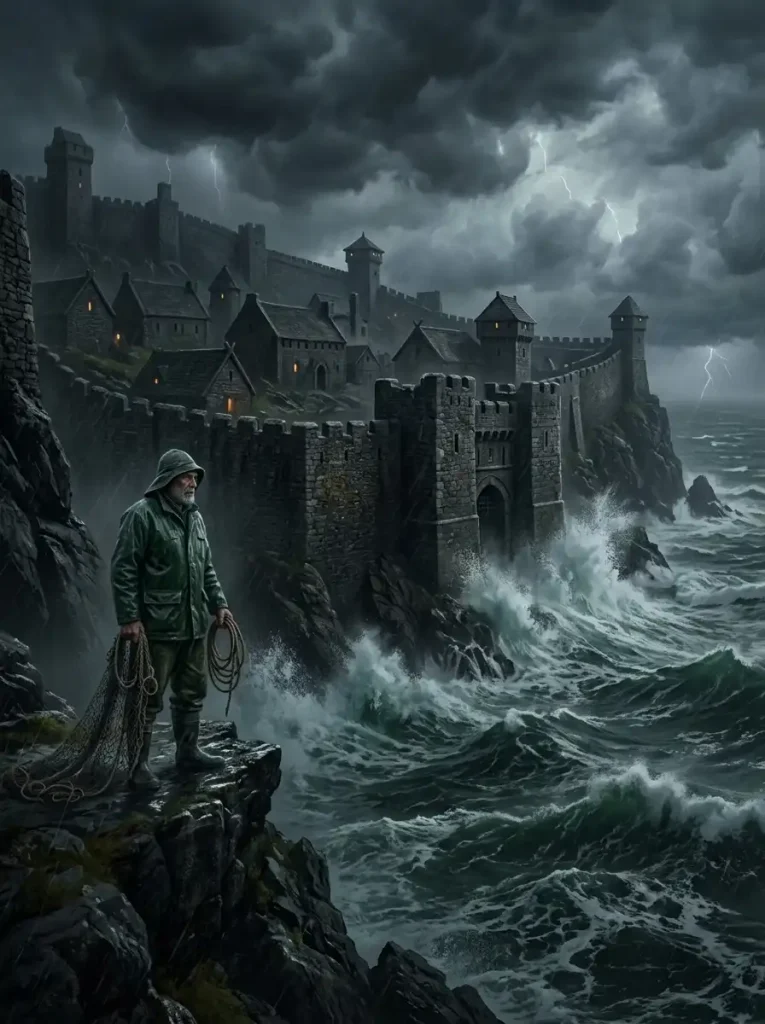
- Story Premise: Built on reclaimed coastal land protected by massive stone dikes, the wealthy port city of Ker-Is prides itself on its maritime trade and opulent festivals. A young fisherman named Yann begins hearing the deep, melancholic tolling of a bronze bell coming from beneath the ocean waves, warning him of a catastrophic structural failure in the sea walls due to years of civic neglect. The wealthy merchant council scoffs at his warnings, refusing to spend their gold on infrastructure repair while continuing their lavish celebrations. Yann must convince his fellow working-class fishermen to abandon the city docks and flee inland, risking his reputation and livelihood to save as many lives as possible before the inevitable storm surges breach the gates.
- Main Characters:
- Protagonist: Yann, a hardworking, practical young fisherman who respects the power of the sea.
- Antagonist: Alderman Corentin, a wealthy, dismissive merchant leader obsessed with immediate profits.
- Mentor: Old Ronan, a retired lighthouse keeper who remembers the historical floods of the past.
- Supporting Characters: Rozenn, Yann’s brave wife who helps coordinate the evacuation of the coastal families.
- Setting: A sprawling, stone-fortified Celtic medieval coastal city built precariously close to a turbulent, dark green ocean.
- Themes: Tradition, wisdom, greed, community preservation.
- Moral Lesson: Ignoring the warning signs of structural decay and prioritizing luxury over collective safety leads to catastrophic ruin.
- Story Expansion Ideas: A historical fiction novel focusing on medieval engineering and maritime lore; a dramatic cinematic short film.
- Writing Tips: Build a palpable sense of tension by using rhythmic descriptions of the crashing waves and the low, muffled tolling of the underwater bell.
Idea #7: The Djinn’s Third Riddle
- Catchy Title: The Scholar and the Sand
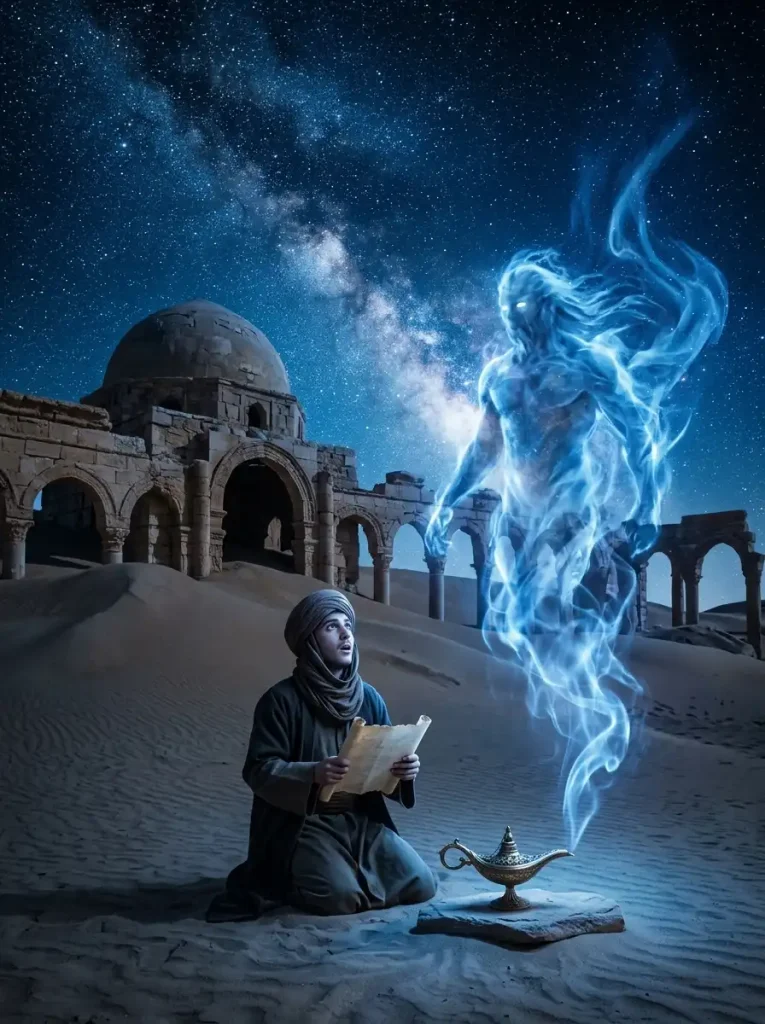
- Story Premise: A brilliant but profoundly arrogant young scholar named Tariq travels across the vast desert dunes to find the legendary Lost Library of the Sands, seeking ultimate historical knowledge. Instead of books, he uncovers an ancient brass oil lamp containing a cynical, centuries-old Djinn who refuses to grant standard wishes. Instead, the Djinn forces Tariq to answer three profound philosophical riddles about human nature; a correct answer grants a fragment of forgotten history, but a single wrong answer will turn Tariq into a lifeless pillar of salt. Having easily aced the first two intellectual riddles, Tariq finds himself completely stumped by the final riddle, which can only be answered by demonstrating genuine empathy and emotional vulnerability—traits his academic arrogance has always suppressed.
- Main Characters:
- Protagonist: Tariq, a proud, highly intellectual young scholar who values books over human connection.
- Antagonist: The Desert Djinn, a powerful, witty, and cynical entity made of swirling blue smoke and fire.
- Mentor: Fatima, a wise desert nomad woman who understands the true value of hospitality and human kindness.
- Supporting Characters: Malik, Tariq’s long-suffering camel driver who warns him against entering the ruins.
- Setting: A vast, shimmering desert landscape filled with towering orange dunes, ancient crumbling stone ruins, and magical sandstorms.
- Themes: Wisdom, humility, tradition, self-discovery.
- Moral Lesson: Intellectual knowledge is utterly useless and hollow unless it is tempered by humility, empathy, and a deep connection to human life.
- Story Expansion Ideas: A philosophical short story collection; a vibrant theatrical play format focusing heavily on the dialogue dynamic.
- Writing Tips: Make the dialogue between Tariq and the Djinn a fast-paced, intellectual chess match, filled with rich metaphors regarding sand, time, and water.
Idea #8: The Feather of the Firebird
- Catchy Title: The Ember in the Snow
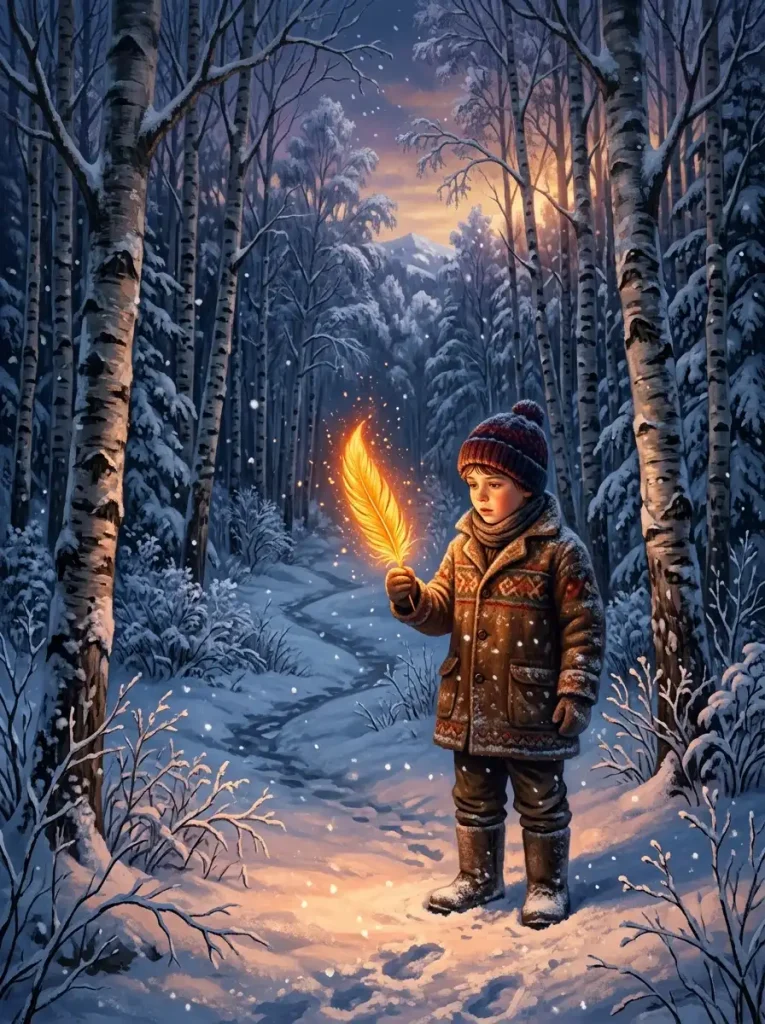
- Story Premise: In a vast, frozen eastern kingdom governed by an oppressive, melancholic winter, the mythical Firebird flies across the sky once every century, dropping a single glowing feather capable of keeping an entire province warm for generations. A gentle, mistreated stable boy named Ivan accidentally finds the radiant feather glowing brightly in the deep snow banks. Instead of handing it over to the greedy Tsar, who wishes to use its intense heat to fuel his expanding military factories, Ivan uses its warmth to heal his freezing village and revive dying livestock. When the Tsar’s royal hunters track the feather’s warmth to his village, Ivan must embark on a dangerous quest into the enchanted birch forests to return the feather directly to the Firebird, learning that true warmth cannot be hoarded by force.
- Main Characters:
- Protagonist: Ivan, a compassionate, resilient stable boy who possesses a deep love for animals.
- Antagonist: Tsar Nikolai, a cold-hearted, industrial-minded monarch obsessed with military expansion.
- Mentor: Baba Marisha, an eccentric forest witch who knows the secret paths of the enchanted woods.
- Supporting Characters: Katya, a spirited village girl who assists Ivan in outsmarting the Tsar’s cavalry.
- Setting: A picturesque, snow-blanketed Slavic forest filled with silver birch trees, wooden cabins, and opulent, onion-domed imperial palaces.
- Themes: Forgiveness, loyalty, courage, generosity.
- Moral Lesson: True warmth and prosperity come from sharing resources with the community rather than hoarding them for personal power.
- Story Expansion Ideas: A beautiful children’s book adaptation; a high-concept animation short film featuring a dynamic, glowing art style.
- Writing Tips: Contrast the sterile, white cold of the winter landscape with the warm, shifting, and vibrant gold-red luminescence of the Firebird’s feather.
Idea #9: The Daughter of the Monsoon
- Catchy Title: The Rainbringer’s Choice
- Story Premise: In a tropical river delta community dependent on seasonal monsoons for their rice crops, the rains have mysteriously stopped falling for two consecutive years. Anjali, a spirited girl born during the last great storm, discovers that her ancestral lineage connects her directly to the river spirits. The spirits are angry because the villagers have heavily polluted the sacred waterways with waste and built massive, restrictive stone dams that choke the river’s flow. To bring back the life-giving rains, Anjali must convince her community to dismantle the dams and clean the rivers, embarking on a dangerous spiritual swim down the roaring currents to offer her own treasured ancestral heirloom as an apology to the ancient Serpent King.
- Main Characters:
- Protagonist: Anjali, a determined, strong-willed girl with an innate, magical connection to water.
- Antagonist: Elder Hiran, a stubborn, traditionalist village leader who blames the drought on bad luck rather than pollution.
- Mentor: Grandfather Ravi, a retired river boatman who teaches Anjali the ancient songs of the water spirits.
- Supporting Characters: Gopal, a clever young inventor who helps design tools to clear debris from the river channels.
- Setting: A lush, sprawling South Asian river valley filled with stilt houses, emerald rice paddies, and winding, ancient waterways.
- Themes: Ecological balance, tradition, courage, community responsibility.
- Moral Lesson: Humans must live in harmony with nature, for polluting our vital resources inevitably cuts off the source of our survival.
- Story Expansion Ideas: A graphic novel adaptation with fluid, water-centric art; an environmental children’s fiction book.
- Writing Tips: Use highly evocative verbs to describe the movement of water, from the stagnant, choked pools to the roaring, cleansing rush of the monsoon rains.

Idea #10: The Obsidian Mirror
- Catchy Title: The True Face of the Empire
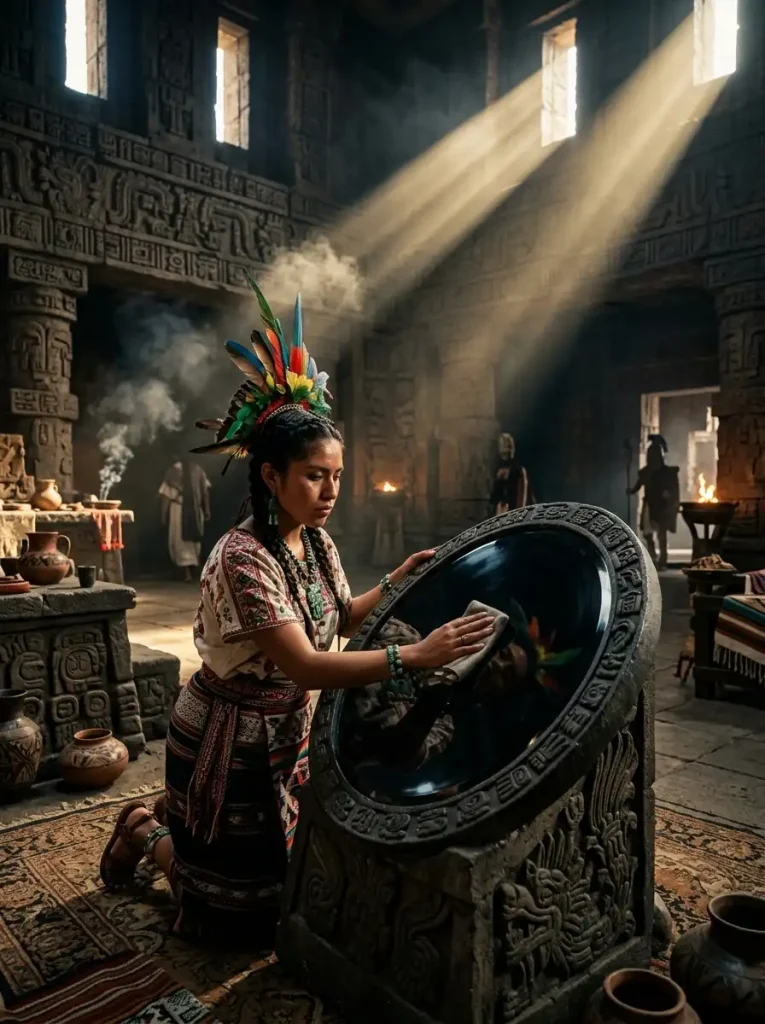
- Story Premise: At the height of a powerful, sun-worshipping Mesoamerican empire, an ambitious young stone-carver named Xochitl is commissioned to polish a massive obsidian mirror for the Emperor’s supreme throne room. While polishing the dark volcanic glass, she discovers that the mirror does not reflect physical appearances; instead, it reveals the true, moral state of a person’s soul. When she looks into it, she sees the Emperor not as a divine being, but as a decaying, shadow-consumed monster driven by vanity and cruelty. Knowing that the Emperor will execute her if his secret is revealed, Xochitl must use her access to the palace to display the mirror during the grand winter solstice festival, revealing the ruler’s true corruption to the entire assembled population.
- Main Characters:
- Protagonist: Xochitl, a sharp-eyed, meticulous young female artisan who values truth over safety.
- Antagonist: Emperor Ahau, a tyrannical, self-proclaimed living god who conceals his immense corruption behind gold ornaments.
- Mentor: Old Izel, an elder priest who has secretly kept the forbidden history of the obsidian glass.
- Supporting Characters: Cualli, a sympathetic palace guard who protects Xochitl from early discovery.
- Setting: A grand, imposing Mesoamerican stone palace featuring towering step pyramids, vibrant murals, and sprawling open plazas.
- Themes: Justice, honor, truth, courage against tyranny.
- Moral Lesson: True character cannot be concealed forever by superficial wealth and power; truth will always find a way to reflect itself.
- Story Expansion Ideas: A gripping historical fiction novel; a dramatic short film adaptation emphasizing high-contrast lighting and shadow work.
- Writing Tips: Use the reflective properties of dark obsidian as a consistent visual metaphor for introspection, truth, and hidden secrets.
Idea #11: The Whale Rider’s Song
- Catchy Title: The Voice of the Deep Blue
- Story Premise: In a coastal Pacific island village, the traditional art of calling whales—which has provided guidance and protection to sailors for generations—has been completely lost to modern commercial fishing practices. A spirited young islander named Kaea feels a deep, instinctual pull toward the ocean, secretly practicing the ancient, resonant vocal chants she found recorded on old bark scrolls. When a massive pod of migrating blue whales becomes stranded on the outer coral reefs due to a sudden undersea volcanic shift, Kaea must overcome her community’s skepticism and her father’s strict prohibitions. She rows out into the crashing surf alone, using her voice to guide the majestic creatures back to the safety of the deep ocean, revitalizing her people’s ancient spiritual bond with marine life.
- Main Characters:
- Protagonist: Kaea, an independent, deeply spiritual young Pacific island woman.
- Antagonist: Tane, Kaea’s traditionalist father who fears the unpredictable dangers of the open ocean and forbids the old chants.
- Mentor: Nanna Manu, the oldest matriarch of the island who remembers the melodies of the whale callers.
- Supporting Characters: Keanu, Kaea’s younger brother who assists her in launching her outrigger canoe against the tides.
- Setting: A breathtaking, remote Polynesian island featuring turquoise lagoons, dramatic volcanic cliffs, and a vast, deep blue ocean.
- Themes: Family, tradition, ecological harmony, courage.
- Moral Lesson: Honoring ancestral knowledge and listening to nature is vital for navigating modern ecological crises.
- Story Expansion Ideas: A beautifully animated feature short film; a poetic novel adaptation celebrating maritime heritage.
- Writing Tips: Focus heavily on the auditory elements of the story, describing the deep, low-frequency songs of the whales and the rhythmic crashing of ocean waves.

Idea #12: The Iron Blacksmith’s Oath
- Catchy Title: The Blade of Broken Chains
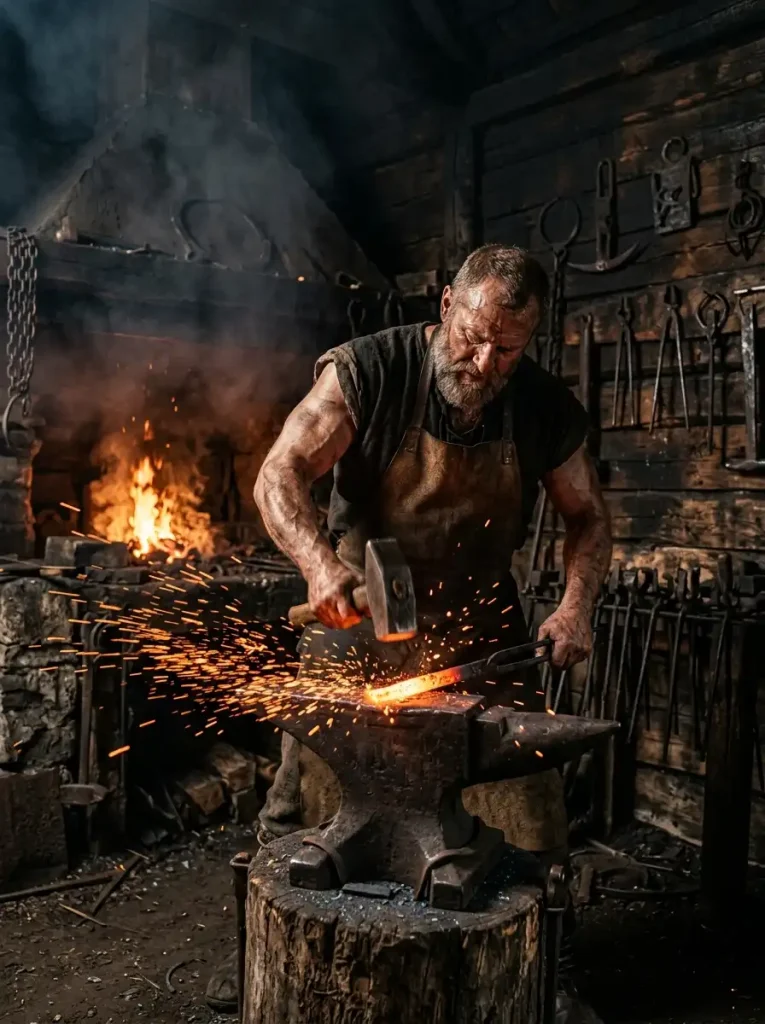
- Story Premise: In a mountainous medieval European principality ruled by an oppressive feudal lord, a humble village blacksmith named Jacob is forced to forge heavy iron chains and weapons to imprison political dissidents. Jacob secretly vows to use his master craftsmanship for liberation, spending his nights forging a legendary, unbreakable sword using a unique tempering technique passed down through his family line. When his own son is wrongfully arrested for protesting the lord’s heavy taxes, Jacob must choose between maintaining his quiet safety or picking up his own hammer to lead a desperate peasant rebellion, using his knowledge of metallurgy to dismantle the fortress gates from the inside out.
- Main Characters:
- Protagonist: Jacob, a brooding, exceptionally skilled blacksmith driven by deep paternal love and justice.
- Antagonist: Baron von Crag, a cold, ruthless feudal lord who views the working peasants as mere property.
- Mentor: Master Albert, Jacob’s late father whose recorded notes on iron tempering guide his nightly work.
- Supporting Characters: Lucas, Jacob’s idealistic son whose arrest sparks the regional popular uprising.
- Setting: A gritty, soot-stained medieval forge situated in a snowy alpine village beneath an imposing stone castle fortress.
- Themes: Justice, sacrifice, family loyalty, honor.
- Moral Lesson: True craftsmanship should be utilized to build freedom and uplift communities, never to forge chains of oppression.
- Story Expansion Ideas: A gritty historical fiction novel; a live-action action-drama short film focusing on realistic blacksmithing processes.
- Writing Tips: Incorporate precise, accurate blacksmithing terminology (e.g., annealing, quenching, slag) to add deep authenticity and sensory texture to the scenes.
Idea #13: The Dreamcatcher’s Web
- Catchy Title: The Nightmare Walkers
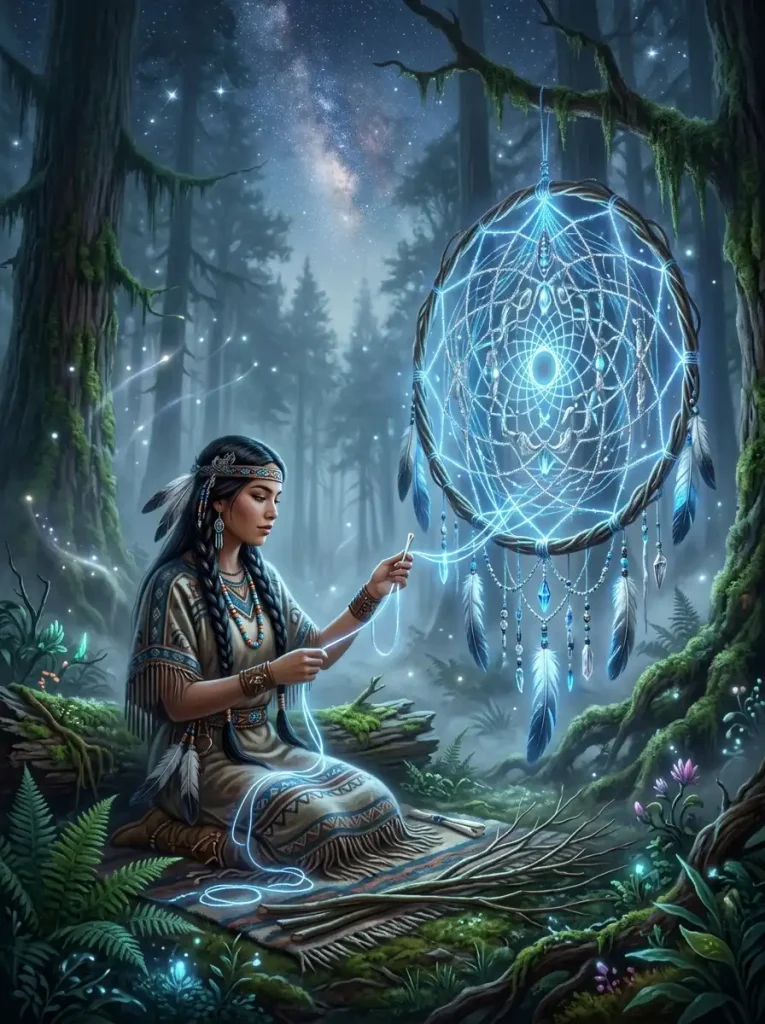
- Story Premise: In a peaceful woodlands tribe, an epidemic of terrifying, persistent nightmares begins draining the life force and waking sanity of the children. A young woman named Nizhoni, who possesses the unique spiritual ability to perceive the ethereal web of human dreams, discovers that a malicious shadow spirit is weaving webs of despair across the camp to feed on collective fear. Armed with an ancient bone needle and sacred willow branches, Nizhoni must physically enter the dream world of the worst-afflicted child. She must weave a monumental, protective dreamcatcher capable of filtering out the shadows, facing her own deepest personal insecurities manifested as monsters within the dreamscape.
- Main Characters:
- Protagonist: Nizhoni, a sensitive, introspective young woman with the rare gift of dream-walking.
- Antagonist: The Shadow Weaver, an ancient malevolent spirit that grows powerful by consuming human terror.
- Mentor: Grandmother Hastiin, a seasoned medicine woman who instructs Nizhoni on the spiritual geometry of the willow hoop.
- Supporting Characters: Tahnee, the young child whose severe nightmares serve as the primary battleground for the spirit.
- Setting: A misty, surreal woodlands camp that shifts fluidly between a realistic forest and a highly abstract, vivid dream realm.
- Themes: Courage, wisdom, psychological resilience, community protection.
- Moral Lesson: Conquering external fears requires us to first confront, understand, and heal the vulnerabilities within our own minds.
- Story Expansion Ideas: A high-concept psychological fantasy novel; an artistic animation short film utilizing surreal, fluid visual styles.
- Writing Tips: Use dream logic and surreal imagery to describe the shifting landscapes of the dream world, contrasting it with the solid, grounded reality of the tribal camp.
Idea #14: The Piper of the Steppes
- Catchy Title: The Song of the wild Horses
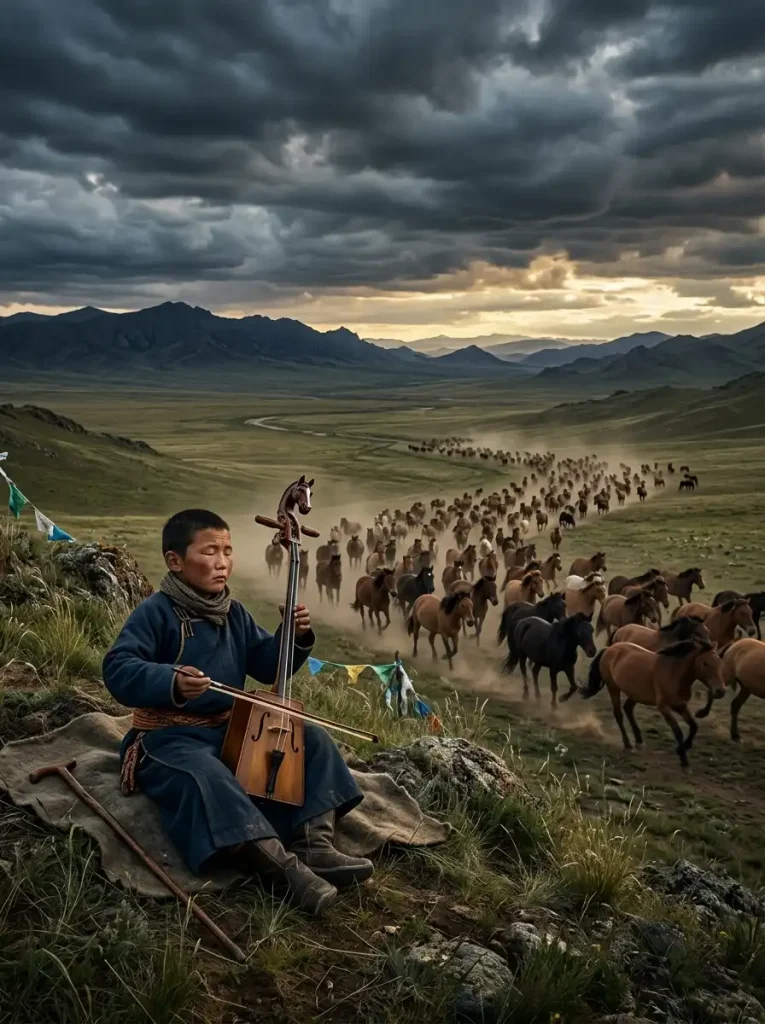
- Story Premise: Across the endless, windswept grassy steppes of Central Asia, nomadic clans depend entirely on their magnificent herds of wild horses for survival. When a massive, unprecedented locust swarm and sudden drought decimate the pasture lands, the horses grow wild with panic, scattering in all directions and leaving the tribe stranded. A young, blind nomad boy named Temür, who plays a traditional two-stringed horsehead fiddle (morin khuur), discovers that his music can mimic the wind and calm the frantic animals. Temür must ride into the heart of a raging dust storm guided solely by his acute hearing and the deep acoustic vibrations of his instrument, calling the scattered herds back to safety before they run off the edge of dangerous hidden canyon cliffs.
- Main Characters:
- Protagonist: Temür, a blind, highly perceptive nomad boy with an extraordinary spiritual connection to horses.
- Antagonist: The Great Dust Storm, a merciless, personified natural force that threatens to erase the tribe’s livelihood.
- Mentor: Elder Kadan, a veteran horse archer who teaches Temür how to navigate the vast steppes using non-visual sensory cues.
- Supporting Characters: Altan, Temür’s older brother who acts as his eyes during their initial tracking expeditions.
- Setting: The vast, rolling, and beautiful grassy steppes of Central Asia under an expansive, dramatic sky filled with dust and wind.
- Themes: Wisdom, humility, overcoming disability, ecological harmony.
- Moral Lesson: When physical sight fails, listening deeply to the natural world and trusting your inner talents can guide you through the darkest storms.
- Story Expansion Ideas: A children’s adventure novel; an orchestral short film focusing heavily on sweeping landscape cinematography and traditional fiddle music.
- Writing Tips: Emphasize non-visual sensory descriptions—such as the feel of the wind against the skin, the scent of crushed dry grass, and the thundering vibration of thousands of horse hooves.
Idea #15: The Clockmaker’s Legacy
- Catchy Title: The Gears of the Heart
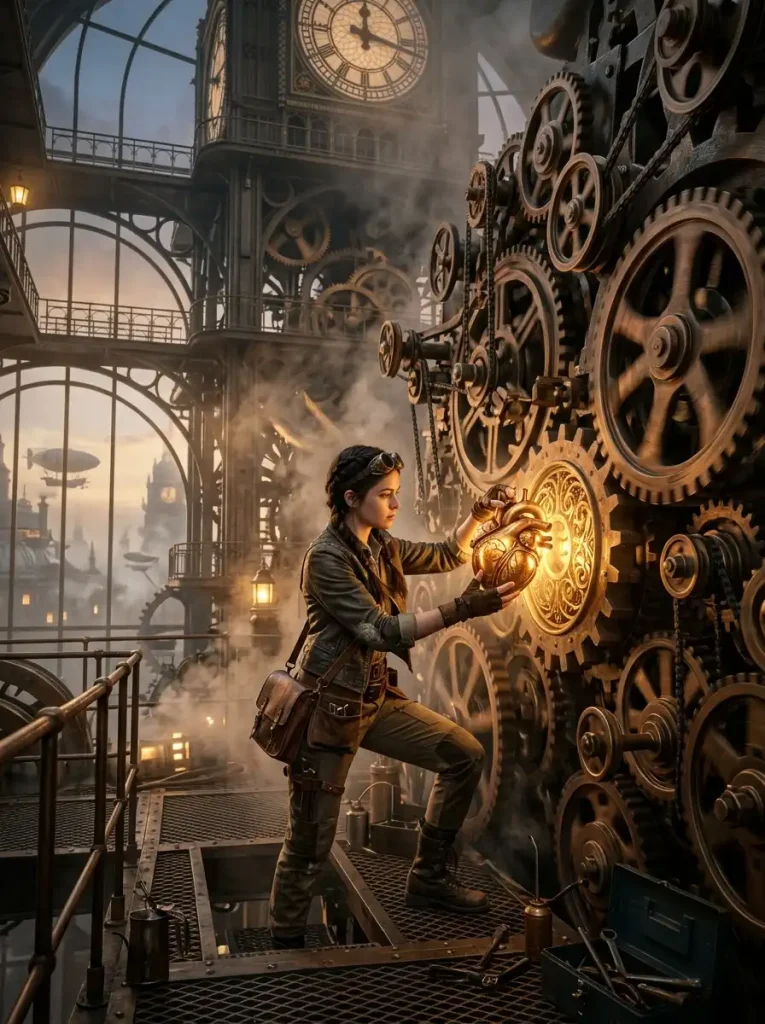
- Story Premise: In a Victorian-era steampunk city obsessed with mechanical efficiency and strict algorithmic schedules, human emotion is viewed as an inconvenient flaw that disrupts factory production. An elderly, traditional clockmaker named Thaddeus secretly spends his final years building a marvelous mechanical clockwork heart designed to restore genuine empathy, laughter, and artistic passion to the city’s clock tower. When Thaddeus suddenly passes away, his young apprentice, Clara, inherits the unfinished device along with a warning: the city’s cold-hearted industrial Overseer plans to replace all human workers with mindless automatons. Clara must infiltrate the high-security central clock tower to install the clockwork heart, avoiding mechanical security drones and learning to trust her own emotional intuition over cold, mechanical logic.
- Main Characters:
- Protagonist: Clara, a analytical yet deeply empathetic young clockmaker’s apprentice.
- Antagonist: Overseer Vance, a calculating, cold bureaucrat who wants to eliminate human emotion to maximize industrial profit.
- Mentor: Thaddeus, the late master clockmaker whose mechanical blueprints and warm philosophy guide Clara’s mission.
- Supporting Characters: Silas, a sympathetic rogue maintenance worker who helps Clara navigate the dangerous internal pipes of the clock tower.
- Setting: A grand, smoke-filled Victorian steampunk metropolis filled with massive brass gears, towering clock faces, and intricate copper pipes.
- Themes: Family, tradition, humanity vs. technology, justice.
- Moral Lesson: Technical innovation and mechanical progress are hollow endeavors unless they serve to protect, enrich, and uplift the human spirit.
- Story Expansion Ideas: A full-length steampunk fantasy novel; a visually stunning live-action or animated short film adaptation.
- Writing Tips: Balance detailed descriptions of cold, ticking brass machinery with warm, fluid descriptions of human emotion, using the clockwork heart as a central visual and thematic bridge.
Tips for Writing Your Own Traditional Story
Researching Cultures Deeply
Developing authentic cultural stories requires extensive, respectful historical research. Avoid relying on superficial internet summaries or generic pop-culture representations. Instead, consult academic anthropological texts, museum archives, and primary source oral histories recorded by community elders. Pay close attention to specific regional details, including traditional architecture, clothing materials, agricultural practices, and distinct naming customs.
Avoiding Cultural Stereotypes
When crafting traditional tales, steer completely clear of harmful archetypes, such as the “mystical primitive” or the “one-dimensional villain.” Treat every culture’s historical practices with the exact same intellectual respect and nuance that you would accord to any modern setting. Characters should possess complex, relatable human motivations, psychological flaws, and distinct personalities that exist completely independent of their specific ethnic or cultural background.
Utilizing Symbolism and Myths
Traditional lore relies heavily on powerful, resonant symbolism to convey deeper universal truths. Incorporate local flora, fauna, and environmental elements as active metaphors for your characters’ psychological journeys. For example, a recurring drought can symbolize a community’s moral decay, while a specific local animal can embody wisdom, trickery, or resilience. Integrate these mythical motifs naturally into the plot structure, ensuring they serve a distinct narrative purpose rather than acting as mere decorative window dressing.
Common Mistakes to Avoid
- Copying Existing Folklore Directly: Avoid simply rewriting well-known fairy tales word-for-word. Instead, use established historical motifs as a creative launchpad to construct completely original plots, conflicts, and character arcs.
- Weak or Unearned Moral Lessons: Do not slap a preachy, superficial moral onto the final paragraph of your story. Ensure that the ethical lesson emerges naturally from the real consequences of your characters’ choices throughout the narrative.
- Flat, One-Dimensional Characters: Avoid creating characters who are entirely perfect or completely evil. Give your protagonists distinct flaws, fears, and doubts, and provide your antagonists with understandable motivations.
- Excessive Exposition and Info-Dumping: Do not halt the narrative flow to deliver multi-page history lectures regarding your fictional world. Show your world’s unique customs, laws, and settings dynamically through character actions, daily routines, and active dialogue.
Frequently Asked Questions
What makes a story traditional?
A story is considered traditional when it incorporates the foundational themes, cultural folklore, structural motifs, and moral frameworks passed down through oral history across multiple generations within a specific community.
How do I write a traditional story without being disrespectful?
Prioritize deep, accurate historical research, avoid reductionist stereotypes, focus on universal human emotions, and present the specific traditions, rituals, and worldviews of the culture with genuine intellectual respect.
Can traditional stories include modern elements?
Yes. Many successful contemporary authors utilize urban fantasy or steampunk frameworks to blend classic folk motifs with modern or futuristic settings, creating a compelling sub-genre known as contemporary myth-making.
What is the difference between folklore and myths?
Myths primarily deal with cosmic origins, gods, and sacred explanations for the creation of the universe. Folklore focuses on the daily lives, common superstitions, and moral fables of ordinary working-class people within a culture.
Why do traditional stories teach morals?
Historically, traditional stories functioned as vital educational tools within oral societies, utilizing engaging, memorable narratives to pass down essential societal laws, survival strategies, and ethical boundaries to younger generations.
How long should a traditional story be?
Traditional stories can range from brief, two-page fables designed for children to sprawling, multi-volume epic fantasy novels, depending entirely on the complexity of the character arcs and world-building.
What role do animals play in traditional stories?
Animals frequently serve as anthropomorphic archetypes—such as the wise owl, the loyal dog, or the trickster coyote—allowing storytellers to safely explore and critique human flaws and behaviors through a symbolic lens.
Can I write a traditional story about a culture not my own?
Yes, provided you approach the material with deep humility, engage in rigorous research, avoid harmful appropriation, and focus on capturing universal human experiences that resonate across cultural boundaries.
What are common settings for traditional stories?
Common settings include timeless, isolated locations deeply connected to the natural world, such as ancient farming villages, deep enchanted forests, royal kingdom courts, or vast desert landscapes.
Why do traditional stories remain popular today?
They remain profoundly popular because they address timeless psychological truths, offer readers a deep sense of cultural grounding, and feature simple, high-stakes narratives that cut cleanly through modern digital noise.
Conclusion
Traditional storytelling remains one of the most powerful and resilient vehicles for human expression, cultural preservation, and ethical education. By taking inspiration from these fifteen distinct narrative concepts, modern writers can create deeply engaging, human-centric stories that echo the profound wisdom of ancestral voices while captivating modern digital readers. Embrace the rich textures of cultural heritage, avoid simplistic tropes, and utilize these detailed traditional story ideas to forge unforgettable narratives that will continue to resonate for generations to come.
External Authoritative Sources:
- The Smithsonian Center for Folklife and Cultural Heritage.
- The American Folklore Society academic resource database.
- The Library of Congress oral tradition and folklife collections.
- UNESCO Intangible Cultural Heritage archives.
- The British Museum historical culture collection.